
Asphalt Driveway Lifespan in Lebanon, TN: What to Expect
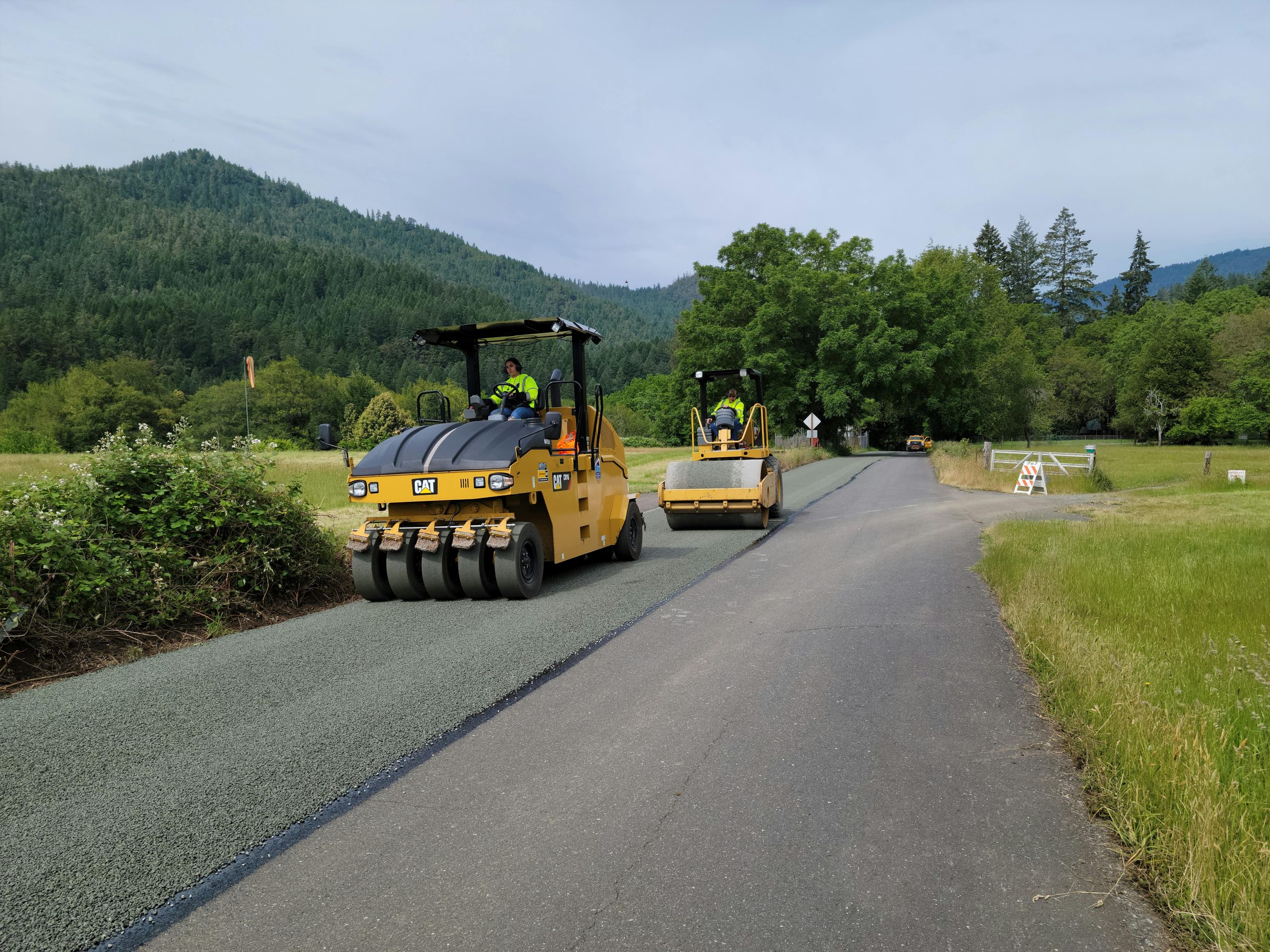
How Long Does Asphalt Last in Lebanon, TN?
Take a drive through the neighborhoods off Hillcrest Drive or head out toward Sparta Pike and the contrast jumps right out at you. Some driveways still look great after fifteen years. Others are falling apart at the edges before they even hit year five.
That’s not random. It comes down to how the driveway was built and whether it was designed for Lebanon’s clay soil, summer heat, and winter freeze-thaw cycles.
After three decades paving across Wilson County, we’ve seen what helps a driveway last and what causes it to fail early.This guide lays out what you can realistically expect, what shortens that timeline, and how to protect what you spend. If you already know it’s time, our Lebanon paving contractor team can come walk the property and give it to you straight.
How Long Should an Asphalt Driveway Last Here?
A well built asphalt driveway in Lebanon should give you 15 to 20 years, and longer if you stay on top of it. Cut corners on the install and you might be looking at a redo in 5 to 8.
Here’s what most people miss: the lifespan is decided before a drop of asphalt goes down. It’s all about what’s underneath.
A solid gravel base and drainage that actually moves water away matter more than the blacktop on top. Get that foundation wrong and the best asphalt in the world won’t save it.
Our weather is kinder than what they deal with up north, sure. But that Tennessee clay and summer humidity still put every driveway to the test. Build it for our conditions and it’ll earn its keep for two decades easy.
Why Do Asphalt Driveways Crack in Middle Tennessee?
Cracks here usually come down to water, shifting soil, and maintenance that got skipped, not the asphalt just wearing out. And water tops that list every time.
It’s a slow problem that sneaks up on you. A tiny crack lets water seep in, the temperature drops, the water expands, and suddenly that hairline is a real gap.
Do that over a few Tennessee cold snaps and a little line turns into something structural. Our clay makes it worse too, swelling when it’s wet and shrinking when it dries, tugging at the surface from below. Staying ahead of it is the whole point of regular crack sealing.
How Lebanon’s Climate and Soil Affect Your Driveway
Between humid summers, winters that freeze and thaw, and clay soil that won’t sit still, Lebanon throws about everything it can at a driveway. And each one does its damage in a different way.
Summer’s the slow burn. Heat softens the asphalt and speeds up oxidation, which is what fades that fresh black surface into a dry, brittle gray.
Winter flips the script. Water sneaks into the smallest cracks, freezes, and pries them wider every time the temperature swings.
Then you’ve got the clay, which might be the sneakiest of all. Plenty of properties out near Cedars of Lebanon State Park sit on soil that swells and shrinks with the moisture. If the grading and drainage weren’t done right from the start, all that movement works its way up and shows up as cracks on top.
That’s exactly why a crew that knows Lebanon dirt beats a cheap quote from some out of town outfit.
What Are the Warning Signs of a Failing Driveway?
The first things you’ll notice are fading color, surface cracks, and small potholes settling into low spots. Catch them early and the fix stays cheap.
Keep an eye out for:
- Cracks wider than a quarter inch
- Water that pools and sits after a rain
- Edges that are crumbling or breaking off
- A surface that looks gray, dry, and brittle
- Potholes or spots that feel soft when you walk them
A handful of surface cracks usually just needs some asphalt repair or a resurface. But if the cracking is spreading into that alligator pattern and the base is going, you’re probably looking at replacement.
How Do You Make an Asphalt Driveway Last Longer?
Two habits do more than anything else: sealcoat every two to three years, and seal cracks the moment they show up. Both cost next to nothing compared to repaving.
Sealcoating puts back that protective top layer that keeps water, sun, and oil from eating into the surface. Skip it and the asphalt dries out and ages fast.
A simple Lebanon routine looks like this:
- Seal new cracks before winter sets in
- Sealcoat every 2 to 3 years
- Keep standing water and debris off it
- Clean up oil stains quick
- Patch small potholes before they grow
Homeowners who actually stick to this push their driveways well past twenty years. It’s not much work, but it pays off big.
When Is the Best Time to Pave in Lebanon?
Late spring through early fall is the sweet spot, when daytime temps stay above 60 degrees pretty reliably. Warm and dry lets the asphalt cure and pack down the way it should.
Paving when it’s cold risks weak compaction and a driveway that doesn’t last. Our long warm season gives Lebanon folks a generous window, but the good slots book up fast.
If you’re planning a new install or a full driveway replacement, getting on the schedule early in the season gives it the best possible start.
Frequently Asked Questions
How long does asphalt last in Tennessee?
Most driveways here run 15 to 20 years when they’re built right. Stay on top of sealcoating and crack repair and you’ll squeeze out even more.
How soon can I drive on a new asphalt driveway?
Give it 24 to 72 hours before driving on it. For heavy vehicles or sharp turns, wait closer to 30 days so it fully sets.
Is sealcoating really worth the money in Lebanon?
It is. A coat every two or three years fights off water, sun, and heat damage, and it runs way less than repaving ever would.
Why do the edges of my driveway crack first?
The edges crack early because nothing braces them like the middle has. Throw in our clay soil and weak drainage and they go even faster.
Can a cracked driveway be repaired instead of replaced?
Usually, yes. Small cracks and potholes patch up fine with a repair or resurface. Once the base fails and cracking spreads, though, replacement wins.
Talk to a Local Team That Actually Knows Lebanon
How long your driveway lasts really comes down to two things: how it was built and how it gets cared for in Wilson County’s soil and weather. Nail both and it’ll serve you for decades.
Want an honest read on where yours stands? Reach out to All Star Seal & Stripe. We’ll tell you whether maintenance, a repair, or a full replacement makes the most sense for your property and your budget. No pressure, just a straight answer.