HACK LINKS - TO BUY WRITE IN TELEGRAM - @TomasAnderson777 Hacked Links Hacked Links Hacked Links Hacked Links Hacked Links Hacked Links cryptocurrency exchange vapeshop discount code vapewholesale affiliate link geek bar pulse x betorspin plataforma betorspin login na betorspin hi88 new88 789bet 777PUB Даркнет alibaba66 1xbet 1xbet plinko Tigrinho Interwin

All Star Seal & Stripe

San Diego Asphalt Maintenance & Public Infrastructure Blog

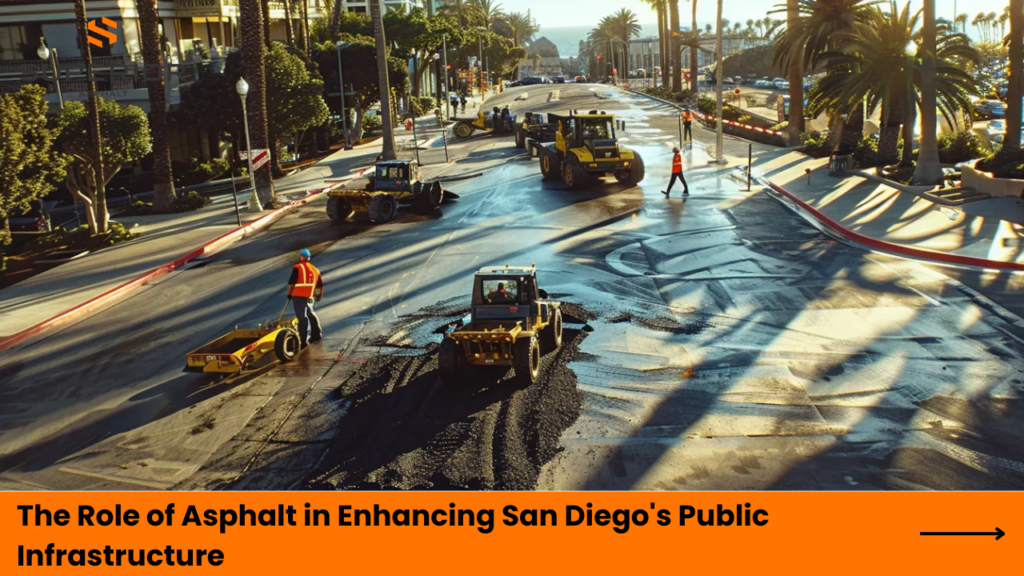
Asphalt paving project in San Diego, workers operating machinery on road, enhancing public infrastructure.
Blogs

The Role of Asphalt in Enhancing San Diego’s Public Infrastructure

San Diego’s public infrastructure faces constant wear and tear from heavy traffic and weather conditions. Asphalt plays a crucial role in maintaining and improving the city’s roads, highways, and public spaces. This article explores how asphalt enhances San Diego’s infrastructure, focusing on its impact on traffic management and sustainable solutions. We’ll examine the economic benefits of investing in quality asphalt and showcase successful projects in the city. By understanding the importance of asphalt, readers will gain insights into the future of San Diego’s public works and the advancements in asphalt technology. Key Takeaways Understanding the Importance of Asphalt in San Diego’s Public Infrastructure Asphalt plays a crucial role in San Diego’s public infrastructure, supporting urban development and withstanding local climate conditions. This section examines the definition and applications of public asphalt, as well as its durability in the region’s unique environment. It also explores how asphalt contributes to broadband expansion, equity in infrastructure, and the importance of maintenance and private capital in asphalt plant operations. Defining Public Asphalt and Its Applications in Urban Development Public asphalt refers to the durable, weather-resistant material used in constructing roads, sidewalks, and other infrastructure elements in urban areas. In San Diego, asphalt plays a vital role in connecting communities and facilitating efficient transportation. The World Bank and local partners collaborate to implement innovative technologies that enhance the performance and sustainability of asphalt applications. Asphalt’s versatility extends beyond traditional road surfaces, contributing to water management and waste reduction efforts in urban development. Its porous variants allow for improved drainage, addressing San Diego’s unique climate challenges. The following table illustrates the key applications of asphalt in urban infrastructure: Application Benefits Roads and Highways Improved connectivity, reduced travel times Parking Lots Efficient land use, stormwater management Bike Lanes Enhanced safety, promotion of sustainable transportation Airport Runways Durable surfaces for heavy aircraft, weather resistance Analyzing the Durability of Asphalt in San Diego’s Climate Conditions San Diego’s unique climate conditions, characterized by mild temperatures and low rainfall, contribute to the longevity of asphalt roads. The city’s sustainable energy initiatives and growing economy have led to increased investment in durable infrastructure, including asphalt surfaces that can withstand local weather patterns and heavy traffic. The durability of asphalt in San Diego’s climate is further enhanced by innovative technologies and materials inspired by developments in Africa and other regions. These advancements have resulted in asphalt mixtures that are more resistant to UV radiation and temperature fluctuations, ensuring that roads and other paved surfaces maintain their integrity for longer periods, reducing maintenance costs and improving overall infrastructure reliability. The Impact of Asphalt on Traffic Management in San Diego Asphalt plays a crucial role in San Diego’s traffic management, addressing congestion and noise pollution. The city’s infrastructure projects utilize asphalt to improve road conditions, considering local climate and natural gas resources. Data-driven approaches in asphalt plant operations contribute to efficient traffic flow and quieter streets, enhancing the overall urban experience for residents and visitors. Evaluating Asphalt’s Role in Reducing Traffic Congestion San Diego’s investment in asphalt concrete infrastructure plays a crucial role in reducing traffic congestion. By utilizing recycled materials and advanced computer modeling, the city optimizes road designs to improve traffic flow and minimize bottlenecks. This strategic approach to asphalt application enhances the overall efficiency of San Diego’s transportation network. The implementation of high-quality asphalt surfaces contributes to smoother traffic movement and increased road capacity. These improvements not only reduce travel times but also create new employment opportunities in the construction and maintenance sectors. San Diego’s focus on innovative asphalt solutions demonstrates a commitment to addressing urban mobility challenges and enhancing the quality of life for its residents. Examining Noise Reduction Benefits From Asphalt Surfaces San Diego’s commitment to sustainable infrastructure extends to noise reduction through innovative asphalt surfaces. The city’s paving projects utilize specialized asphalt mixtures that absorb sound waves, significantly reducing traffic noise for nearby residents and businesses. This approach not only improves quality of life but also increases property values in urban areas. The implementation of noise-reducing pavement has helped San Diego address debt concerns related to infrastructure improvements. By investing in these advanced asphalt technologies, the city has reduced the need for costly noise barriers while simultaneously improving internet access along roadways. This multi-faceted approach to infrastructure development demonstrates San Diego’s dedication to creating a more livable and connected urban environment. Exploring Sustainable Asphalt Solutions for Public Works San Diego’s public works department is adopting sustainable asphalt solutions to address infrastructure investment risks and climate change challenges. This section examines the use of recycled asphalt in local projects and explores innovative manufacturing techniques for environmentally friendly pavement. These initiatives aim to enhance the city’s infrastructure while promoting sustainability and responsible finance practices. Assessing Recycled Asphalt Use in San Diego’s Infrastructure Projects San Diego’s public works department has embraced recycled asphalt as a sustainable solution for infrastructure projects. This approach reduces greenhouse gas emissions and improves waste management while maintaining high-quality road surfaces. The city’s economics-driven strategy prioritizes the use of recycled materials in asphalt production, aligning with its commitment to sustainability and responsible resource management. The implementation of recycled asphalt in San Diego’s infrastructure projects has led to significant cost savings and improved storage efficiency. By utilizing locally sourced recycled materials, the city has reduced transportation costs and minimized the need for new aggregate extraction. This sustainable approach has demonstrated that recycled asphalt can meet or exceed performance standards while contributing to the city’s environmental goals: Benefit Impact Reduced Emissions 20% decrease in CO2 output Cost Savings 15% reduction in project expenses Resource Conservation 30% less virgin material used Waste Reduction 40% decrease in landfill disposal Investigating Innovative Manufacturing Techniques for Environmentally Friendly Asphalt San Diego’s public works department has implemented innovative manufacturing techniques for environmentally friendly asphalt, focusing on energy efficiency and sustainability. These methods incorporate recycled materials and low-temperature production processes, reducing the carbon footprint of road construction while maintaining the durability of critical infrastructure. The city’s approach aligns with economic goals by optimizing resource utilization and minimizing waste

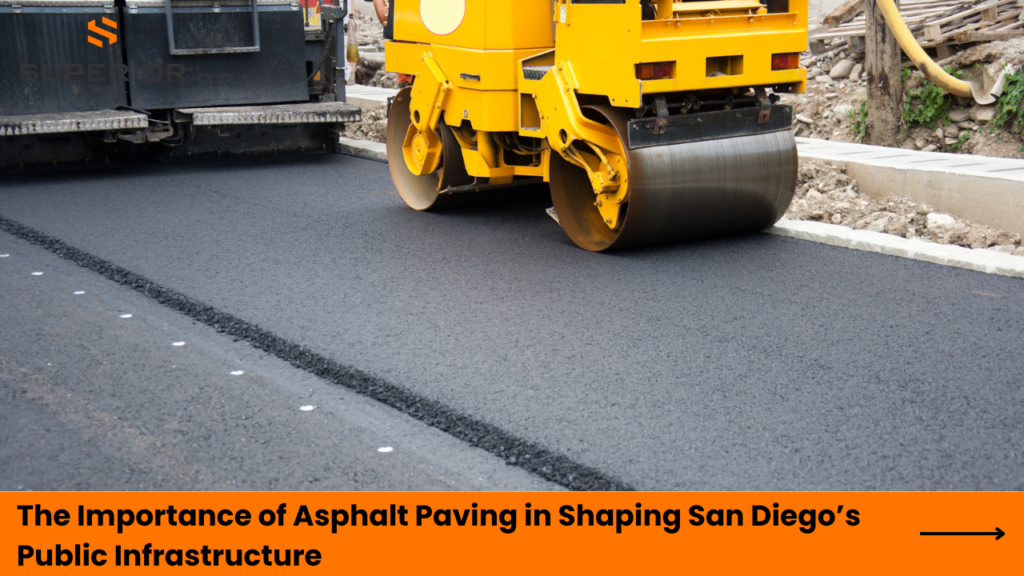
Asphalt paving machine laying fresh asphalt on San Diego road, emphasizing the importance of asphalt in public infrastructure.
Blogs

How Asphalt Paving Shapes San Diego’s Public InfrastructureThe Importance of Asphalt Paving in Shaping San Diego’s Public Infrastructure

Asphalt paving plays a crucial role in shaping San Diego’s public infrastructure. This article explores how asphalt paving impacts the city’s roads, sidewalks, and public spaces. We’ll examine the economic benefits, safety improvements, and environmental advantages of asphalt paving. By understanding these aspects, readers will gain insight into the importance of quality paving for San Diego’s urban development and how it affects their daily lives. Key Takeaways Understanding Asphalt Paving and Its Impact on Public Infrastructure Asphalt paving plays a crucial role in San Diego’s infrastructure development. This section explores the key components of asphalt paving and its impact on sustainable construction practices. Understanding these elements is essential for paving services and asphalt paving contractors to deliver durable, cost-effective solutions that meet the city’s growing needs while promoting environmental responsibility. Defining Asphalt Paving and Its Key Components Asphalt paving is a critical component of road surface construction, involving the application of asphalt mixture to create durable and smooth driving surfaces. The process utilizes specialized equipment, including pavers, to lay and compact the asphalt efficiently. Modern asphalt paving techniques incorporate permeable paving options, enhancing infrastructure sustainability while managing stormwater runoff. These advancements in paving technology allow cities like San Diego to develop robust transportation networks within budget constraints, balancing cost-effectiveness with long-term durability and environmental considerations. The Role of Asphalt in Sustainable Infrastructure Development Asphalt plays a crucial role in sustainable infrastructure development, offering durability and cost-effectiveness for paving companies. Its composition, which includes sand and gravel, allows for efficient repair services and adaptability to various environmental conditions. Superior Asphalt demonstrates leadership in utilizing asphalt’s properties to create long-lasting, eco-friendly pavements that support San Diego’s growing infrastructure needs while minimizing environmental impact. The Economic Benefits of Asphalt Paving for San Diego Asphalt paving offers significant economic advantages for San Diego’s infrastructure. It provides cost-effective, long-lasting surfaces for highways and roads, reducing maintenance needs and potholes. The paving industry creates jobs and stimulates economic growth through large-scale projects. Additionally, modern asphalt plants prioritize environmentally friendly practices, balancing development with sustainability. Cost-Effectiveness and Longevity of Asphalt Surfaces Asphalt surfaces offer exceptional cost-effectiveness and longevity, making them a preferred choice for San Diego’s infrastructure. An asphalt paving company can efficiently install and maintain driveways, roads, and curbs, reducing long-term expenses. Through innovative techniques, these surfaces withstand heavy traffic and environmental factors, minimizing the need for frequent maintenance and ensuring durability for years to come. Job Creation and Economic Growth Linked to Paving Projects Asphalt paving projects significantly contribute to job creation and economic growth in San Diego. These projects enable the construction industry to employ skilled workers, including those who operate asphalt plants and concrete mixers. The demand for asphalt concrete in infrastructure development creates a ripple effect, stimulating related sectors such as transportation and manufacturing. Additionally, improved road conditions resulting from quality paving work facilitate smoother business operations and attract investment, further boosting the local economy: Enhancing Safety and Accessibility Through Asphalt Paving Asphalt paving enhances safety and accessibility in San Diego’s public infrastructure. The highest quality asphalt pavements improve road safety through enhanced traction and visibility. Proper drainage systems integrated into asphalt surfaces reduce water accumulation, preventing accidents. A skilled paving contractor ensures these features support accessible transportation for all residents, including those with mobility challenges. Improved Road Safety Features of Asphalt Pavements Asphalt pavements incorporate advanced safety features that significantly reduce accidents and improve road conditions. These surfaces provide superior skid resistance, especially in wet conditions, enhancing vehicle traction and control. Additionally, asphalt’s dark color improves visibility of road markings, while its smooth texture reduces tire noise and driver fatigue. These combined features create safer driving environments for San Diego’s residents and visitors. How Asphalt Paving Supports Accessible Transportation Asphalt paving supports accessible transportation by creating smooth, even surfaces that facilitate easy movement for all users, including those with mobility challenges. The material’s flexibility allows for precise grading and contouring, ensuring proper slopes for wheelchair ramps and crosswalks. Superior Asphalt’s expertise in creating these surfaces contributes to San Diego’s commitment to inclusive urban design, allowing residents and visitors of all abilities to navigate the city safely and independently. The Environmental Advantages of Asphalt Paving Asphalt paving offers environmental advantages for San Diego’s infrastructure. It reduces urban heat islands through innovative solutions and promotes sustainability through recycling practices in production. These approaches help mitigate environmental impact while meeting the city’s paving needs, demonstrating Superior Asphalt’s commitment to eco-friendly construction methods. Reducing Urban Heat Islands With Asphalt Solutions Asphalt solutions play a crucial role in reducing urban heat islands in San Diego. Superior Asphalt implements innovative techniques such as cool pavement technology and high-albedo coatings to reflect more sunlight and absorb less heat. These advanced asphalt formulations help lower surface temperatures, improving comfort for pedestrians and reducing cooling costs for nearby buildings. By addressing the urban heat island effect, asphalt paving contributes to a more sustainable and livable urban environment. Recycling and Sustainability in Asphalt Production Superior Asphalt prioritizes recycling and sustainability in asphalt production, significantly reducing environmental impact. The company incorporates reclaimed asphalt pavement (RAP) into new mixes, conserving virgin materials and minimizing waste. This process decreases energy consumption and greenhouse gas emissions associated with asphalt production, aligning with San Diego’s sustainability goals. By embracing these eco-friendly practices, Superior Asphalt demonstrates its commitment to preserving natural resources while delivering high-quality paving solutions for the city’s infrastructure needs. Challenges and Considerations in Asphalt Paving Asphalt paving in San Diego faces unique challenges that require careful consideration. Proper maintenance is crucial for ensuring the longevity of asphalt surfaces, while adapting to local weather and climate conditions is essential for optimal performance. Understanding these factors helps paving professionals deliver durable and cost-effective solutions for the city’s infrastructure needs. Addressing Maintenance Needs for Longevity Addressing maintenance needs is crucial for ensuring the longevity of asphalt surfaces in San Diego. Regular inspections and timely repairs prevent minor issues from escalating into major problems, saving costs in the long run. Superior Asphalt employs proactive maintenance strategies, including

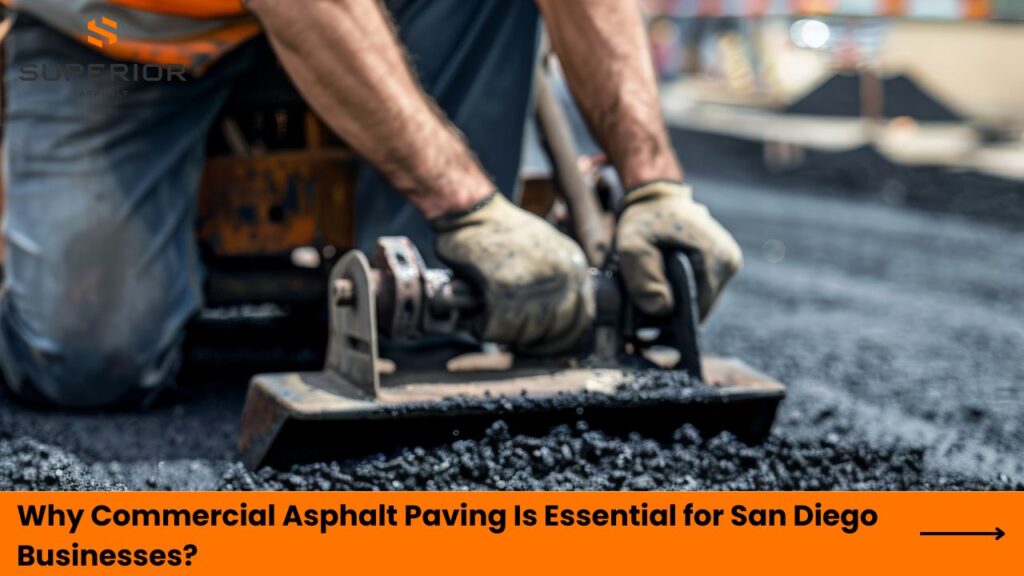
Construction worker applying asphalt with a roller, emphasizing the importance of commercial asphalt paving for San Diego businesses.
Blogs

Why Commercial Asphalt Paving Is Essential for San Diego Businesses

San Diego businesses rely on well-maintained surfaces for safety and aesthetics. Commercial asphalt paving offers a durable, cost-effective solution for parking lots, driveways, and walkways. This article explores the benefits of asphalt paving for San Diego companies, factors to consider when choosing materials, and essential maintenance practices. We’ll also provide guidance on selecting the right contractor and showcase successful local paving projects. By understanding the importance of quality asphalt paving, businesses can enhance their property’s value and functionality. Key Takeaways Understanding Commercial Asphalt Paving in San Diego Commercial asphalt paving in San Diego involves specialized techniques and materials for business properties. This section explores the definition of commercial paving, its differences from residential projects, the importance of quality materials, and environmental considerations. Understanding these aspects helps businesses make informed decisions about their paving needs, ensuring durability and cost-effectiveness while minimizing damages to the community and environment. Definition of Commercial Asphalt Paving Commercial asphalt paving refers to the process of applying asphalt surfaces for business properties, such as parking lots, driveways, and roads. This specialized service requires a skilled project manager and experienced asphalt contractors in the area to ensure proper installation, especially when dealing with San Diego’s hilly terrain. Quality commercial paving incorporates environmentally conscious policies and uses refined oil-based materials to create durable surfaces that withstand heavy traffic and harsh weather conditions. Key Differences Between Residential and Commercial Paving Commercial asphalt paving in Southern California differs significantly from residential projects in terms of scale, complexity, and business model. Commercial installations require larger equipment, more extensive planning, and higher quality asphalt to withstand heavier traffic loads. Pricing for commercial projects typically reflects the increased scope and materials needed. Businesses in San Diego often require specialized paving solutions that account for the region’s unique climate and terrain, necessitating expert contractors who understand these local challenges: Importance of Quality Materials in Paving Quality materials are paramount in business paving projects, demanding more attention than residential counterparts. Superior asphalt mixtures ensure longevity, reduce maintenance costs, and enhance property insurance values. General contractors prioritize high-grade materials to withstand heavy traffic, extreme weather, and frequent use typical of commercial properties. The selection of premium paving materials directly impacts the durability, safety, and aesthetic appeal of business surfaces, making it a critical factor in successful commercial paving projects: Environmental Considerations in Asphalt Paving Environmental considerations play a crucial role in commercial asphalt paving projects in San Diego. Professional contractors prioritize sustainable practices, incorporating permeable paving techniques to manage stormwater runoff and reduce soil erosion. Extensive research has led to the development of eco-friendly asphalt mixtures that minimize environmental impact while maintaining durability. Regular maintenance of these surfaces further enhances their longevity and reduces the need for frequent replacements, contributing to overall environmental conservation efforts. Benefits of Asphalt Paving for San Diego Businesses Asphalt paving offers numerous advantages for San Diego businesses. This section explores the cost-effectiveness, durability, aesthetic appeal, and quick installation of asphalt surfaces. From project management to asphalt repair, these benefits highlight why commercial property owners should request a quote for professional San Diego asphalt services. Understanding these advantages helps businesses make informed decisions about their paving needs. Cost-Effectiveness of Asphalt Paving Asphalt paving offers significant cost-effectiveness for San Diego businesses. A reputable asphalt paving contractor can provide durable surfaces for sidewalks and parking lots at competitive prices. Commercial paving companies often incorporate this cost-efficiency into their marketing strategy, highlighting the long-term savings for property owners. The durability of asphalt reduces the frequency of repairs and replacements, making it an economical choice for pavers and businesses alike. Enhanced Durability and Long-Term Performance Asphalt paving offers enhanced durability and long-term performance for San Diego businesses. The pros of partnering with reputable asphalt sealing companies include resilient surfaces that withstand heavy traffic and resist damage from weather extremes. Construction techniques used in commercial asphalt paving minimize the formation of potholes, reducing maintenance costs and extending the lifespan of parking lots and driveways. This durability ensures businesses can focus on their operations rather than frequent repairs. Aesthetic Appeal and Customization Options Asphalt paving offers San Diego businesses aesthetic appeal and customization options that enhance their property’s visual impact. Experienced asphalt companies provide a range of finishes and designs, allowing businesses to create distinctive surfaces that complement their brand image. From sleek black asphalt to decorative concrete overlays, the versatility of asphalt concrete enables property owners to achieve a professional look while maintaining functionality. This combination of aesthetics and practicality makes asphalt an attractive choice for commercial properties seeking to make a positive impression on clients and visitors. Quick Installation and Minimal Disruption Commercial asphalt paving companies in San Diego offer quick installation and minimal disruption to businesses. Local asphalt companies prioritize efficient project management, ensuring that paving services, including curb construction, are completed swiftly. This approach minimizes downtime for businesses, allowing them to resume normal operations promptly. Professional contractors carry liability insurance, providing peace of mind to property owners during the installation process. Factors Influencing Asphalt Paving Choices in San Diego San Diego businesses must consider several factors when choosing asphalt paving solutions. Local climate, traffic patterns, permitting requirements, and safety standards all play crucial roles in decision-making. Effective management of these elements is essential for successful parking lot paving and asphalt driveway projects, minimizing risks and accidents. Understanding these factors helps businesses make informed choices for durable and safe commercial paving solutions. Local Climate Considerations San Diego’s unique climate influences asphalt paving choices for businesses. The mix used by a reputable paving company must withstand intense sun exposure and occasional heavy rains. Asphalt maintenance becomes crucial in this environment, requiring specialized knowledge from an experienced asphalt maintenance company. The mild temperatures in San Diego allow for year-round paving projects, but contractors must account for seasonal variations: Season Temperature Range Paving Considerations Summer 65-75°F Ideal for asphalt curing Winter 50-65°F Slower curing times Spring/Fall 60-70°F Balanced conditions Traffic Patterns and Volume Analysis Traffic patterns and volume analysis play a crucial role in asphalt paving decisions for

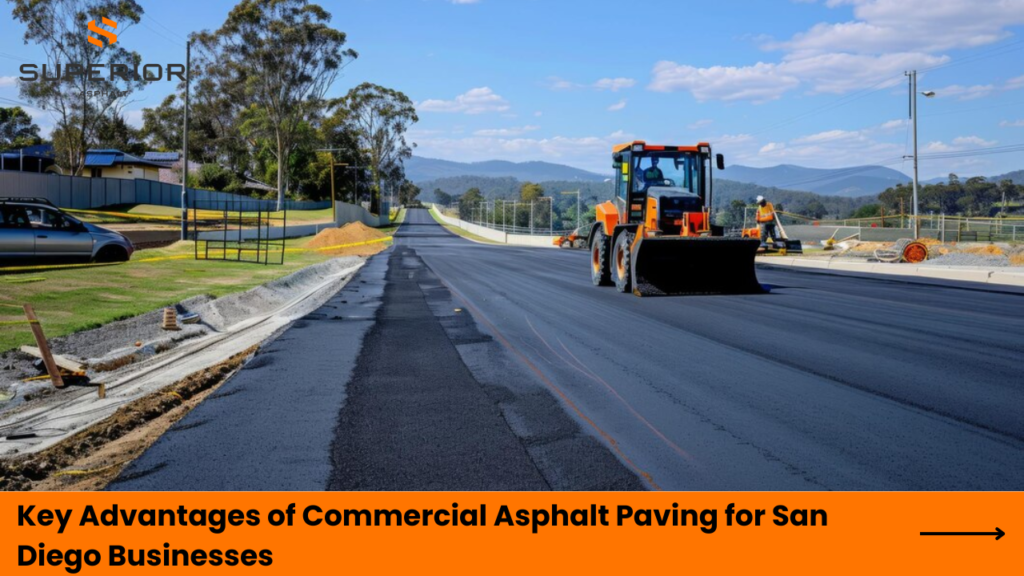
Key Advantages of Commercial Asphalt Paving for San Diego Businesses
Blogs

Key Advantages of Commercial Asphalt Paving for San Diego Businesses

Are you a San Diego business owner looking to enhance your property’s appearance and functionality? Commercial asphalt paving offers numerous advantages for local businesses. This article explores the key benefits of asphalt paving, including improved durability, cost-effectiveness, and increased property value. By understanding these advantages, you can make an informed decision about upgrading your commercial property’s surfaces, potentially saving money and improving your business’s image in the long run. Key Takeaways Enhanced Durability of Commercial Asphalt Paving Commercial asphalt paving offers enhanced durability for San Diego businesses. This section explores the longevity of asphalt materials, weather resistance in the local climate, and maintenance techniques. It also analyzes cost-effectiveness over time, providing insights for businesses seeking experienced asphalt paving contractors. Understanding these factors helps in making informed decisions about asphalt repair services and parking lot installations. Understanding the Longevity of Asphalt Materials Asphalt materials used in commercial paving offer exceptional longevity, making them an ideal choice for San Diego businesses. These materials withstand heavy traffic, extreme temperatures, and various weather conditions, ensuring durability for parking lots and charging stations. With proper maintenance and periodic parking lot striping, asphalt surfaces can last up to 20-30 years, providing a cost-effective solution for businesses and potentially reducing insurance premiums due to improved safety: Weather Resistance in San Diego’s Climate San Diego’s climate presents unique challenges for commercial paving, but asphalt demonstrates remarkable weather resistance. The material withstands the region’s intense sunlight and occasional heavy rains, maintaining its integrity over time. Commercial paving contractors in Denver utilize similar techniques to ensure durability in diverse climates. Properly installed asphalt surfaces provide safe pedestrian walkways and patios, complementing concrete installations for a comprehensive outdoor space solution: Climate Factor Asphalt Performance Intense Sunlight Resistant to UV damage Heavy Rains Effective water drainage Temperature Fluctuations Maintains flexibility Benefits of Proper Maintenance Techniques Proper maintenance techniques significantly extend the lifespan of commercial asphalt paving, ensuring optimal performance for San Diego businesses. Regular upkeep, including sealing and crack repair, prevents water infiltration and maintains structural integrity, even under heavy traffic conditions. Effective drainage systems incorporated during installation protect against water damage, while routine inspections allow for early detection of issues, preventing costly repairs and ensuring smooth highway-like surfaces for commercial properties: Analyzing Cost-Effectiveness Over Time Commercial asphalt paving demonstrates significant cost-effectiveness over time for San Diego businesses. The durability of asphalt reduces the frequency of repairs, minimizing expenses related to potholes and resurfacing. Regular sealcoating protects the surface from Southern California’s intense sun, extending its lifespan and reducing long-term maintenance costs. While snow is not a concern in this region, the resilience of asphalt against other weather conditions ensures sidewalks and parking areas remain in excellent condition, providing a safer environment for customers and potentially lowering liability risks. Improved Aesthetics for Business Locations Commercial asphalt paving enhances business aesthetics in San Diego. Color and texture options offer customization for curb appeal, directly impacting business success. Professional striping plays a crucial role in creating a polished appearance. Commercial paving services address wear and tear, ensuring a smooth surface for vehicles and pedestrians. Proper signage integration complements the overall aesthetic, contributing to a positive first impression for customers. Choosing Color and Texture Options Commercial asphalt paving in San Diego offers businesses a range of color and texture options to enhance aesthetics and longevity. These choices allow companies to create visually appealing surfaces that complement their branding while providing practical benefits. Darker asphalt colors can help mask soil and stains, maintaining a clean appearance for customers. Textured surfaces offer improved traction, reducing the risk of accidents for individuals with visual impairments and enhancing overall customer safety. Curb Appeal and Its Business Impact Curb appeal significantly impacts business success in San Diego. Professional paving services enhance a company’s exterior, creating a positive first impression that attracts customers and increases property value. Commercial paving & coating solutions, including chipseal, offer cost-effective options for businesses on a budget. Well-maintained asphalt surfaces grab attention, signaling a commitment to quality that can set a business apart from competitors. The Role of Striping in Professional Appearance Professional striping plays a crucial role in enhancing the appearance of commercial asphalt paving and commercial blacktop surfaces. A reputable commercial paving company incorporates precise striping techniques to delineate parking spaces, traffic lanes, and accessibility areas, ensuring compliance with local regulations. Well-executed striping not only improves the overall aesthetics but also enhances safety and efficiency in traffic flow. By utilizing recycling methods for old asphalt and employing eco-friendly paints, businesses can demonstrate their commitment to sustainability while maintaining a polished look. Cost and Time Efficiency in Installation Commercial asphalt paving offers San Diego businesses significant cost and time efficiencies during installation. This section explores quick paving processes that minimize downtime, long-term savings compared to alternatives, and factors affecting project pricing. Understanding these aspects helps businesses make informed decisions when seeking commercial paving services, including charging station installations and construction projects involving pavers. Quick Paving Processes for Minimal Downtime Commercial asphalt paving companies near San Diego prioritize quick installation processes to minimize business downtime. These efficient methods allow for rapid project completion, often within days, depending on the size and complexity of the job. Experienced contractors utilize advanced equipment and techniques, such as hot-mix asphalt and precision grading, to expedite the paving process while maintaining quality. This approach benefits businesses by reducing interruptions to operations and customer access: Long-Term Savings Compared to Alternatives Commercial asphalt paving offers significant long-term savings compared to alternatives for San Diego businesses. Asphalt concrete’s durability and resistance to water damage reduce maintenance costs over time. Local commercial paving contractors near me provide expert installation, ensuring proper drainage and preventing costly repairs. This cost-effective solution outperforms other materials in the region’s climate, offering businesses a reliable and economical choice for their paving needs. Examining Factors That Affect Project Pricing Several factors influence project pricing for commercial asphalt paving in San Diego. The size and condition of the area to be paved, along with site preparation requirements, significantly impact costs. Material

The Importance of Hot-Applied Mastic Sealant in Asphalt Paving Repairs
Blogs

The Importance of Hot-Applied Mastic Sealant in Asphalt Paving Repairs

Hot-Applied Mastic Sealant is vital for keeping asphalt repairs robust and lasting. This post reviews its role in paving repairs and outlines proven application techniques that improve pavement durability. It explains how using Hot-Applied Mastic Sealant can lead to lower repair costs and extend the lifespan of surfaces. Readers will gain practical insights to overcome common repair challenges and achieve better results for both commercial and residential projects. Key Takeaways hot-applied mastic sealant repairs asphalt surfaces quickly with reliable long-lasting performance careful cleaning and inspection ensure optimal adhesion for a quality repair proper budgeting for mastic sealant helps reduce future repair expenses sustainable application minimizes material waste and supports eco-friendly maintenance practices The Role of Hot-Applied Mastic Sealant in Asphalt Paving Repairs Hot-applied mastic sealant is a specialized substance used in asphalt paving repairs. It offers lasting performance and reliability that many paving companies and asphalt paving companies rely on for site maintenance. Its benefits and advantages over other sealants provide expertise clients seeking paving repair near me can appreciate. What Is Hot-Applied Mastic Sealant? Hot-applied mastic sealant is a heated product that hardens quickly and repairs asphalt surfaces with lasting performance. It is widely used in parking lot paving projects where truck traffic intensifies surface wear, effectively sealing potholes and offering a robust alternative to chipseal methods: Application Description Asphalt Repair Quick hardening for immediate repairs and longevity Parking Lot Paving Designed to withstand heavy truck traffic and weather-related wear Potholes Effectively fills and seals potholes to restore road integrity Chipseal Alternative Provides durable protection similar to chipseal with improved performance Benefits of Using Hot-Applied Mastic Sealant in Asphalt Repairs Hot-applied mastic sealant delivers robust performance for paving repairs by ensuring rapid setting and lasting results, making it an excellent choice for driveway pavement repair, lots, and projects involving parking lot striping. Its proven longevity minimizes repeat fixes and provides consistent value for clients: Quick setting for faster repairs Improved surface resilience Consistent performance in driveways and lots Reliable quality for parking lot striping How Hot-Applied Mastic Sealant Compares to Other Sealants Hot-applied mastic sealant outperforms other options by providing a robust barrier that resists water intrusion and shields surfaces from damage caused by residual paint, ensuring that road repairs stand up to constant use. Its effectiveness in parking lot asphalt repair speaks to its reliability, while excellent customer service supports its adoption by addressing client concerns throughout each project. Application Techniques for Hot-Applied Mastic Sealant This text outlines preparatory steps before application, proper techniques for applying mastic filler, and common mistakes to avoid during repair. An asphalt repair service should apply these methods to a blacktop driveway or execute an asphalt parking lot repair near me. Each customer benefits from clear, efficient practices that bolster lasting repair outcomes. Preparatory Steps Before Application Prior to applying the mastic sealant, technicians conduct a detailed cleaning and inspection process to ensure flawless adhesion on parking lot repair sites, driveways, and curbs while addressing critical maintenance needs to eliminate debris and aged materials that diminish bond strength: Step Description Surface Cleaning Remove debris and residue to promote optimal adhesion. Curb Inspection Examine and prepare the curb to ensure a smooth application. Driveway Maintenance Clear contaminants and repair cracks to strengthen the substrate. Parking Lot Repair Prep Address surface irregularities and outdated coatings to support a lasting seal. Proper Techniques for Applying Mastic Sealant Technicians must work swiftly, applying the sealant with precision to achieve a smooth patching of pothole areas while ensuring proper drainage remains intact throughout the process. They adopt techniques that secure a quality sealcoating finish, which consistently strengthens the asphalt surface for both commercial lots and residential driveways. Common Mistakes to Avoid During Application Professionals in asphalt paving & repair must avoid errors such as inadequate surface preparation and overlooking the critical message provided by manufacturer guidelines, as these mistakes can lead to additional price setbacks during construction projects. In asphalt pavement repair, ensuring that each step is executed properly not only saves time and money but also upholds the durability of the overall repair, providing lasting value in both residential and commercial applications. Longevity and Durability of Hot-Applied Mastic Sealant Factors impacting mastic sealant lifespan include exposure to concrete, tar, oil, and proper asphalt repair methods. Maintenance best practices and real-world case studies offer practical insights on sealcoat durability and performance. This section details factors affecting lifespan, effective upkeep, and case examples that underscore lasting value in paving services. Factors Affecting the Lifespan of Mastic Sealant Factors that impact the lifespan of the mastic sealant include weather exposure, the quality of application, and regular maintenance to withstand impacts from vehicles, making routine residential asphalt repair near me essential for lasting results: Strict cleaning and preparation practices Accurate heating and timely application methods Scheduled maintenance to identify early signs of wear Maintenance Best Practices for Enhanced Durability Routine maintenance practices, such as regular cleaning and planned inspections, help maintain the strength and performance of hot-applied mastic sealant in asphalt paving repairs by addressing early wear and ensuring the best outcomes for both commercial and residential sites: Clear debris promptly to allow proper adhesion Examine surfaces routinely to catch minor issues early Schedule timely touch-ups to secure long-lasting repairs Implementing these steps minimizes future repair needs and protects the integrity of the paved surfaces. Real-World Case Studies Showing Longevity Recent projects clearly indicate the reliable performance of hot-applied mastic sealant in asphalt paving repairs, with case studies proving its ability to withstand heavy traffic and adverse weather conditions. A notable study at a commercial parking facility documented lasting repairs and minimal maintenance requirements, emphasizing the sealant’s proven durability: Case Study Results Lessons Learned Commercial Parking Facility Extended service life with minimal follow-up repairs Precise surface preparation and application are key to long-term success Cost-Effectiveness of Hot-Applied Mastic Sealant in Repairs This section examines the balance between upfront expense and lasting savings achieved through hot-applied mastic sealant. It outlines budgeting strategies for asphalt paving repairs and highlights economic benefits for

How Asphalt Crack Sealing Protects Your Pavement From Costly Repairs
Blogs

How Asphalt Crack Sealing Protects Your Pavement From Costly Repairs

Asphalt cracks can lead to costly repairs if left untreated. This article explores how crack sealing protects your pavement from extensive damage. We’ll cover the importance of early intervention, the process of crack sealing, and its cost-effectiveness compared to major repairs. By understanding these key points, you’ll learn how to maintain your asphalt surfaces and avoid expensive overhauls. Our expert insights will help you make informed decisions about pavement maintenance, potentially saving you significant time and money. Key Takeaways Asphalt crack sealing prevents water damage and extends pavement life, reducing repair costs Regular maintenance with quality sealants is crucial for preserving asphalt integrity and safety Environmental factors like temperature changes and traffic contribute to asphalt deterioration Professional crack sealing services offer expertise in identifying and treating pavement issues effectively Case studies demonstrate significant cost savings and improved longevity through proactive crack sealing maintenance Understanding the Importance of Asphalt Crack Sealing Asphalt crack sealing plays a crucial role in protecting pavements from costly repairs. By applying driveway crack sealer, property owners can prevent water infiltration and subsequent erosion of the underlying layers. This proactive measure extends the life of asphalt surfaces, reducing the need for extensive repairs or premature replacement. The process involves filling cracks with specialized materials such as emulsion or crafco crack sealer. These sealants create a barrier against moisture, debris, and other damaging elements. Regular crack sealing helps maintain the integrity of the pavement, preventing small issues from escalating into major problems that could affect tire performance and safety. Effective crack sealing offers numerous benefits for asphalt surfaces: Benefit Description Cost savings Prevents expensive repairs and extends pavement life Improved safety Reduces tire damage and maintains smooth surface Enhanced appearance Preserves a well-maintained look for properties How Asphalt Crack Sealing Prevents Water Infiltration Asphalt crack sealing forms a protective barrier against water infiltration. The sealcoat applied with a squeegee fills cracks up to 1 inch wide, preventing moisture from seeping into the pavement structure. Effective asphalt filler and sealer products bond tightly to crack edges. This adhesion stops water from penetrating beneath the surface, where it can cause erosion and weaken the pavement’s foundation. Regular application of crack filler helps maintain pavement integrity. By sealing small cracks early, property owners can avoid more extensive and costly repairs caused by water damage over time. Identifying Symptoms of Asphalt Damage Spall, or surface flaking, indicates advanced asphalt deterioration requiring prompt attention. Property owners should regularly inspect their pavements for signs of cracking, which can be addressed with asphalt driveway crack sealer before more severe damage occurs. Visible cracks in asphalt surfaces often signal underlying structural issues. These openings allow water to penetrate the pavement, potentially causing erosion of the cement base and compromising the overall integrity of the surface. Uneven surfaces or depressions in the asphalt may indicate subsurface problems. These irregularities can lead to increased water pooling and accelerated deterioration, necessitating the use of specialized sealers to restore pavement volume and prevent further damage. The Process of Crack Sealing and Its Benefits Asphalt crack sealing involves assessing cracks and selecting appropriate sealant materials. This process protects pavements from costly repairs by preventing water infiltration and erosion. Effective crack filling with rubberized asphalt or other specialized materials extends pavement life and reduces the need for extensive repairs or recycling of damaged surfaces. Assessment of Cracks for Effective Sealing Effective asphalt crack sealing begins with a thorough assessment of the pavement’s condition. Road maintenance professionals evaluate the width, depth, and pattern of cracks to determine the most suitable sealing method. This process may involve inspecting curbs, concrete surfaces, and areas where slurry seal has been applied. By identifying the extent of damage and potential underlying issues, experts can recommend the most appropriate asphalt crack sealing solution, ensuring long-lasting protection for the pavement. Selecting Appropriate Crack Sealant Materials Choosing the right asphalt filler sealer is crucial for effective crack repair in roadway construction. Professionals consider factors such as crack width, climate conditions, and traffic load when selecting materials. Sand-based sealants offer durability for high-traffic areas, while rubberized options provide flexibility for temperature fluctuations. The appropriate asphalt crack repair product ensures long-lasting protection against water infiltration and pavement deterioration. Cost Comparison: Crack Sealing vs. Major Repairs Crack sealing offers a cost-effective solution for pavement maintenance compared to major repairs. By addressing small cracks early, property owners can prevent water and debris from causing further damage, avoiding the formation of potholes and extensive deterioration. The adhesive properties of crack sealants create a protective barrier against ultraviolet rays and moisture infiltration. This proactive approach significantly reduces long-term maintenance costs by extending the pavement’s lifespan and minimizing the need for costly resurfacing or reconstruction. Regular crack sealing maintenance is substantially more economical than addressing major pavement failures. The cost of sealing cracks is a fraction of the expense required for repairing potholes or replacing large sections of damaged asphalt, making it a wise investment for property owners. Factors Influencing the Longevity of Crack Sealing The longevity of crack repair depends on the quality of the sealant used. Silicone-based products often provide superior durability compared to other options, making them the best driveway sealer for cracks in many cases. Weather conditions significantly impact sealant performance. Rain can affect the curing process, potentially compromising the effectiveness of the crack repair if applied too soon before or after precipitation. Proper surface preparation and application techniques are crucial for long-lasting results. Thorough cleaning and drying of cracks before applying sealant ensure optimal adhesion and effectiveness: Factor Impact on Longevity Sealant Quality High-quality materials last longer Weather Conditions Dry conditions during application improve durability Surface Preparation Clean, dry surfaces enhance sealant adhesion Common Misconceptions About Asphalt Crack Sealing A common misconception is that crack sealing provides complete waterproofing. While it significantly reduces water infiltration, it does not create an impermeable barrier. Proper sealing helps prevent puddles from forming but may not eliminate them entirely in areas with poor drainage. Some believe crack sealing eliminates dust and debris accumulation. However, while it reduces these issues,

Choosing the Right Commercial Paving Materials for Your Project
Blogs

Choosing the Right Commercial Paving Materials for Your Project

Are you struggling to choose the right paving materials for your commercial project? This guide will help you understand the key factors to consider when selecting paving materials, compare asphalt and concrete options, and explore alternative solutions. By the end, you’ll have the knowledge to make an informed decision that meets your project’s needs and budget. Learn how to select durable, cost-effective materials that will enhance your property’s value and functionality. Key Takeaways Commercial paving materials include asphalt, concrete, brick, and permeable pavers, each with unique benefits Proper material selection depends on factors like traffic load, climate conditions, and aesthetic preferences Asphalt offers flexibility and quick installation, while concrete provides superior durability and longevity Regular maintenance and early damage detection are crucial for extending the lifespan of paving materials Professional contractors should be engaged for complex projects requiring specialized expertise and equipment Understanding Commercial Paving Materials Commercial paving materials play a crucial role in construction projects. This section explores the various types of paving materials used in commercial settings and their key properties. Understanding these elements helps project managers select the most suitable materials for their specific needs, considering factors such as durability, cost-effectiveness, and environmental impact. Defining the Types of Commercial Paving Materials Commercial paving materials encompass a range of options for driveway pavers and other commercial projects. These materials include asphalt, concrete, brick, and permeable pavers, each offering unique benefits for specific applications. Selecting the right material is a crucial investment decision that impacts the project’s longevity, appearance, and maintenance requirements. The choice depends on factors such as traffic load, climate conditions, and aesthetic preferences: Material Durability Cost Maintenance Asphalt High Moderate Low Concrete Very High High Low Brick Moderate High Moderate Permeable Pavers High High Moderate Key Properties of Effective Paving Solutions Effective paving solutions for commercial projects must possess key properties that ensure durability, sustainability, and performance. Concrete paving, for example, offers excellent resistance to vehicle traffic and water damage, making it ideal for high-traffic areas. Sustainable materials that allow proper water drainage and reduce environmental impact are becoming increasingly important in modern paving projects. The following table highlights the essential properties of effective commercial paving solutions: Property Description Importance Durability Resistance to wear, cracking, and weather conditions High Load-bearing capacity Ability to withstand heavy vehicle traffic Critical Water resistance Protection against water damage and freeze-thaw cycles Essential Sustainability Eco-friendly materials and production processes Increasing Factors to Consider When Choosing Paving Materials Selecting the right commercial paving materials involves evaluating multiple factors. These include assessing traffic load and usage, considering climate and weather conditions, balancing aesthetic preferences with design requirements, and managing budget constraints while accounting for long-term costs. The choice of materials, such as porous options or those with specific binders, affects the road’s durability and potential LEED certification. Assessing Traffic Load and Usage Assessing traffic load and usage is crucial when selecting commercial paving materials. The type and frequency of vehicles using the surface determine the material’s durability requirements. Heavy trucks and constant traffic necessitate stronger materials to withstand tire wear and reduce maintenance needs. For areas with lighter use, more natural options may suffice. Project managers should carefully evaluate expected traffic patterns and request a quote from paving experts to ensure the chosen materials align with the natural environment and usage demands: Traffic Type Recommended Material Maintenance Level Heavy commercial vehicles Reinforced concrete Low Light vehicles Asphalt Moderate Pedestrian areas Permeable pavers Low to moderate Evaluating Climate and Weather Conditions Climate and weather conditions significantly impact the choice of commercial paving materials. Regions with frequent freeze-thaw cycles require materials resistant to cracking, such as certain types of concrete or specialized aggregate blends. Areas prone to heavy rainfall benefit from porous surfaces that manage surface runoff effectively. Gravel and permeable paving options can aid in water drainage, reducing the need for extensive concrete repair. Project managers should consult local climate data and a professional website for guidance on selecting materials suited to their specific environmental challenges: Assess average temperatures and precipitation levels Consider frequency of extreme weather events Evaluate soil conditions and drainage requirements Consult local building codes for climate-specific regulations Considering Aesthetic Preferences and Design Aesthetic preferences and design play a crucial role in selecting commercial paving materials. The chosen materials must complement the surrounding infrastructure while withstanding wear and tear from foot traffic and rain. Project managers should consider how different paving options impact the overall appearance of the lot and its ability to skip to content areas smoothly. A well-designed paving system not only enhances visual appeal but also contributes to the functionality of the space: Evaluate color options and patterns for visual cohesion Consider texture for safety and aesthetic purposes Assess how materials age and maintain appearance over time Balance design elements with practical requirements Budget Constraints and Long-Term Costs Budget constraints and long-term costs are critical factors in selecting commercial paving materials. While initial expenses for parking lot paving may influence decisions, project managers must consider the total cost of ownership, including maintenance and potential repairs for issues like potholes. Choosing durable materials like asphalt from a reputable asphalt plant can reduce long-term expenses, even if the upfront cost is higher. Impervious surfaces may require additional drainage solutions, impacting overall project costs. Mortar-based options offer durability but may have higher installation costs: Material Initial Cost Maintenance Cost Lifespan Asphalt Moderate Low 15-20 years Concrete High Low 20-30 years Permeable Pavers High Moderate 25-30 years Comparing Asphalt and Concrete for Commercial Projects Asphalt and concrete are two primary paving materials used in commercial projects. This section compares their benefits, focusing on factors such as durability, cost-effectiveness, and drainage capabilities. Understanding the advantages of each material helps companies make informed decisions for their specific commercial paving needs, considering factors like storage requirements and long-term maintenance. Benefits of Asphalt Paving Asphalt paving offers numerous benefits for commercial projects, making it a popular choice for construction and management teams. Its flexibility allows for easier snow removal and maintenance, while its dark color

Effective Asphalt Maintenance Strategies for Durable Repairs
Blogs

Effective Asphalt Maintenance Strategies for Durable Repairs

Why do some asphalt surfaces last for decades while others crumble within a few years? The answer lies in effective maintenance strategies. This guide will explore key techniques for preserving asphalt, including seasonal care and proper material selection. By implementing these strategies, you’ll extend the life of your asphalt surfaces, saving time and money on repairs. Whether you’re a property owner or manager, you’ll find practical tips to keep your asphalt in top condition for years to come. Key Takeaways Regular seal coating protects asphalt from heat and water damage, preventing costly repairs Timely crack sealing and pothole repair prevent water infiltration and further deterioration of asphalt surfaces Proper base preparation and compaction techniques are crucial for long-lasting asphalt installations Advanced technologies and innovative materials enhance the efficiency and durability of asphalt maintenance Community involvement and education programs contribute to better-maintained asphalt surfaces throughout neighborhoods Understanding the Importance of Asphalt Maintenance Proper asphalt maintenance is crucial for extending the lifespan of paved surfaces. Regular seal coating protects against heat, water, and other damaging elements, preventing costly repairs. Timely maintenance by reputable asphalt repair companies near you can significantly reduce long-term expenses. Effective maintenance strategies include addressing issues promptly, such as repairing cracks and potholes before they worsen. This approach prevents water infiltration and subsequent damage to the base layers. Proper drainage and curb maintenance also play vital roles in preserving asphalt integrity. While asphalt is the primary focus, understanding the interplay between asphalt and cement is essential for comprehensive maintenance. Both materials react differently to heat and environmental factors, requiring tailored maintenance approaches. A well-maintained asphalt surface enhances safety, aesthetics, and property value. Key Strategies for Effective Asphalt Maintenance Effective asphalt maintenance strategies are crucial for preserving driveways and construction sites. Regular inspections identify issues early, preventing costly repairs. Timely crack sealing techniques protect against water damage, while sealcoating extends the lifespan of asphalt surfaces. These methods ensure durability for engines, condominiums, and other structures. Property owners can request a free estimate to implement these strategies effectively. Regular Inspections to Identify Issues Early Regular inspections are crucial for effective asphalt maintenance. Professionals examine surfaces for signs of wear, including cracks, potholes, and drainage issues. These inspections help identify problems early, allowing for timely asphalt concrete repairs and parking lot sealcoating. By addressing issues promptly, property owners can prevent minor damages from escalating into major, costly repairs: Inspection Focus Potential Issues Maintenance Action Surface Condition Cracks, Potholes Patching, Crack Sealing Drainage Standing Water Improve Grading, Clean Drains Sealcoat Wear, Oxidation Reapply Liquid Sealant Timely Crack Sealing Techniques Timely crack sealing techniques are essential for effective paving maintenance and a wise investment in road longevity. Expertly applied sealant fills cracks, preventing water infiltration and further deterioration. Professional contractors use specialized equipment, including brooms for surface preparation, to ensure proper adhesion and maximum protection against the elements. The Benefits of Sealcoating for Longevity Sealcoating provides essential protection for asphalt surfaces, extending their longevity and durability. This process shields the bitumen from harmful UV rays, rain, and snow, preventing oxidation and deterioration. By creating a waterproof barrier, sealcoating reduces the impact of freeze-thaw cycles on concrete and asphalt surfaces. For areas with severe weather conditions, infrared asphalt repair techniques combined with sealcoating offer enhanced protection and longevity. The benefits of regular sealcoating include: Increased resistance to weather-related damage Improved surface appearance Enhanced protection against oil and chemical spills Reduced maintenance costs over time Extended pavement lifespan Seasonal Considerations for Asphalt Care Seasonal changes significantly impact asphalt maintenance strategies. Preparing surfaces for winter weather helps prevent damage from freeze-thaw cycles and snow removal equipment. Summer maintenance focuses on repairing winter damage and protecting against heat-related issues. Effective year-round care, including prompt pothole repair and debris removal, ensures durable asphalt surfaces in various climates. Regular maintenance can also benefit insurance claims for weather-related damage. Preparing Asphalt for Winter Weather Preparing asphalt for winter weather is crucial for parking lot asphalt repair and maintaining real estate value. Before cold temperatures set in, property managers should apply a fresh sealcoat to protect against moisture intrusion and freeze-thaw cycles. For immediate repairs, cold patch asphalt repair products with appropriate viscosity can address small cracks and potholes effectively. Essential winter preparation steps include: Thorough cleaning and debris removal Crack filling and sealing Application of a high-quality sealcoat Installation of proper drainage systems Marking of snow plow guidelines to prevent damage Summer Maintenance Best Practices Summer maintenance best practices for asphalt focus on protecting surfaces from heat and UV damage. Parking lot repair companies recommend regular cleaning to remove oil and debris, preventing water pooling and surface deterioration. Paving services often use specialized tools to apply sealcoating, which shields asphalt from harsh sunlight and extends its lifespan. Property managers should schedule comprehensive site inspections during summer months to identify and address potential issues promptly: Summer Maintenance Task Purpose Frequency Surface Cleaning Remove Debris and Contaminants Weekly Crack Filling Prevent Water Infiltration As Needed Sealcoating UV and Chemical Protection Every 2-3 Years Comprehensive Inspection Identify Potential Issues Annually Choosing the Right Materials for Repairs Selecting appropriate materials is crucial for effective asphalt maintenance. This section examines various sealants and their specific applications, addressing common issues like potholes and oil damage. It also compares asphalt to alternative paving materials, helping property owners make informed decisions when seeking asphalt repair companies or asphalt parking lot repair services near them. Types of Sealants and Their Applications Selecting the appropriate sealant is crucial for effective residential asphalt repair near me. Different sealants cater to various traffic conditions and fuel resistance requirements. Customers should consider factors such as lawn proximity and local climate when choosing a sealant. Professional contractors can recommend the best options for specific applications, ensuring durable repairs that withstand heavy traffic and environmental challenges. Asphalt vs. Other Paving Materials Asphalt offers distinct advantages over other paving materials, such as concrete and gravel. Asphalt contractors often recommend it for its durability, cost-effectiveness, and ease of maintenance. While concrete requires extensive pressure washing, asphalt surfaces can be rejuvenated with

Can You Install Pavers Over Concrete
Blogs

Can You Install Pavers Over Concrete?

Installing pavers over concrete is a creative and practical way to enhance the beauty and functionality of your outdoor spaces. Whether it’s a patio, driveway, walkway, or garden, pavers can add elegance and durability to your hardscape. Many homeowners and landscapers wonder if it’s feasible to lay pavers over an existing concrete slab. The answer is yes—but it requires careful planning, proper materials, and the right technique. We’ll guide you through everything you need to know about installing pavers over concrete, discuss the benefits, step-by-step installation process, materials needed, and offer design inspiration. We’ve also included tips for maintenance, so your pavers remain long-lasting and aesthetically pleasing. The Feasibility of Installing Pavers Over Concrete One of the most common questions landscapers and homeowners ask is, “Can you truly install pavers over concrete?” The short answer is yes! Concrete slabs act as a stable base, making the project feasible in most cases. However, it’s essential to consider key factors, including drainage, weight distribution, compressive strength of the concrete, and overall design goals. Proper preparation ensures a successful and durable paver installation. When Is This Option Ideal? Aging but Stable Concrete If your existing concrete patio, driveway, or walkway is structurally sound, it can serve as a solid foundation for pavers. Cracked or severely damaged concrete isn’t suitable unless repaired. Limited Budget and Time Removing a concrete slab can add to your budget. By installing pavers directly over concrete, you save on demolition and hauling costs. Creating a New Look with Minimum Construction Paver installation over concrete is perfect for those wanting to update their outdoor space’s aesthetics with minimal construction disturbance. Potential Challenges While it’s an efficient solution, laying pavers over concrete can present challenges like poor drainage or uneven surfaces. Elevating the area with a retaining wall can help manage water runoff and prevent pooling. Additionally, using permeable paving options, such as cobblestone or porous pavers, promotes stormwater management and ensures an environmentally friendly solution. Benefits of Adding Pavers Over Concrete Adding pavers instantly transforms the space while offering several advantages for both homeowners and landscapers. 1. Enhanced Aesthetics Pavers come in a variety of materials such as slate, travertine, porcelain, and brick. Each material offers unique colors, shapes, and textures that can blend with any landscape design. For example, buff-colored sandstone pavers create a warm, natural look, while charcoal granite pavers add a bold, modern touch. 2. Cost-Effective If you’re looking to stick to a specific budget, reusing the existing concrete slab as a base reduces significant labor and material costs. There’s also no need to rent extra construction equipment or hire a demolition team. 3. Increased Durability Concrete combined with pavers can provide extra compressive strength. This is especially beneficial for areas like driveways or high-traffic walkways. Using construction glue or polymeric sand between the pavers ensures they remain tightly in place, even under heavy weight. 4. Customizable Design With options ranging from cobblestone to porcelain to limestone tiles, you can find pavers that suit your garden, deck, or driveway. You can also mix shapes and sizes to create unique patterns. For instance, a blend of rectangular slate and square flagstone tiles adds visual intrigue to large spaces. 5. Low Maintenance Paved surfaces are easy to clean and maintain. Routine cleaning with water, sweeping to remove debris, and occasional replacement of damaged pavers helps to keep everything looking fresh. How to Install Pavers Over Concrete Before jumping into your paver project, follow this step-by-step guide to ensure a flawless installation. Step 1. Assess the Concrete Surface Inspect your existing concrete. Address cracks, holes, or uneven areas as these can affect the longevity of your installation. Fill small cracks with concrete patch, and ensure the surface is smooth. Step 2. Plan for Drainage Drainage is a critical factor when installing pavers over concrete. Without proper drainage, water can pool beneath the pavers, causing damage. Consider adding drainage mats or leaving space for water to flow between the pavers. Step 3. Choose Pavers Select pavers based on your needs and preferences. Brick pavers add classic charm, while limestone or sandstone tiles offer a natural aesthetic. Consider your curb appeal, space, and deck or roof surroundings for inspiration. Step 4. Gather Materials You’ll need the following materials for a successful paver installation: Pavers (porcelain, granite, brick, or cobblestone) Polymeric sand or construction glue Drainage mat (if applicable) Rubber mallet Measuring tools for dimensions Pallets, wheelbarrows, and carts for transporting materials Step 5. Lay a Base Layer Add a base layer between the concrete and pavers for extra support. This could be sand or a drainage mat. Buff the layer evenly to prevent pavers from shifting over time. Step 6. Install the Pavers Place the pavers in your chosen design. Make sure the tiles or stones are flat and aligned. Use a rubber mallet to tap the pavers gently into place. For tight spaces or curved walkways, you may need to cut pavers to fit specific dimensions. Step 7. Fill the Gaps Once the pavers are set, fill the joints with polymeric sand or construction glue. This secures the pavers and prevents weeds from growing between them. Step 8. Final Touches Spray water over the area to activate polymeric sand and set it into place. Clean the surface with a broom and inspect it for any uneven points. Design Ideas for Inspiration Using pavers over concrete can create a striking outdoor space that blends seamlessly with your environment. Here are some ideas: Modern Driveway Transformation Use charcoal or slate gray pavers for a sleek, contemporary look. Pair with steel or minimalist landscaping designs to enhance curb appeal. Cozy Patio Space Combine buff travertine with neutral tone furniture. Add a retaining wall for seating and accessories like garden lighting for a welcoming vibe. Elegant Walkways Cobblestone pavers arranged in a fan or circular pattern make stunning walkways. Integrate natural elements like plants or a water feature for added beauty. Outdoor Kitchen or Countertop Design an outdoor kitchen with granite countertop-like pavers laid over your concrete slab.

Blogs

Common Challenges Impacting Work Quality for Commercial Paving Contractors

What challenges hinder the success of commercial paving contractors? Often, issues such as project budget constraints and regulatory compliance can impact work quality. This article will identify key problems faced in the asphalt paving industry and offer practical strategies to navigate these challenges. Readers will gain insights into maintaining client communication and managing contracts more effectively, ultimately enhancing their service delivery. By addressing these common pain points, paving contractors can improve their operations and ensure superior results for their clients. Key Takeaways Quality workmanship in paving projects directly impacts safety and longevity Effective communication builds trust and enhances client satisfaction throughout the paving process Material quality significantly affects the durability and safety of paved surfaces Understanding local regulations is essential for successful completion of paving projects Skilled labor and ongoing training are vital for maintaining high standards in paving work Understanding the Role of Commercial Paving Contractors Commercial paving contractors play a vital role in delivering high-quality masonry services for projects like parking lots and warehouse surfaces. The importance of quality workmanship cannot be overstated, as it directly impacts safety and longevity. This section will explore common challenges that affect craftsmanship, ranging from preparation issues to material selection, providing insights that enhance understanding of the paving process. Overview of Commercial Paving Services Commercial paving services encompass a range of activities that cater to various needs, including asphalt paving, concrete installation, and repair work. These services are essential for maintaining safe and effective surfaces in high-traffic areas such as parking lots and access roads. A reputable commercial paving contractor ensures that every project, from filling potholes to the application of pavement paint, meets quality standards, which fosters trust and maintains their surety in the industry. Service Type Description Asphalt Paving Installation and repair of asphalt surfaces for roads and parking lots. Concrete Installation Laying of concrete surfaces, including driveways and sidewalks. Pothole Repair Filling and fixing potholes to enhance safety and surface integrity. Pavement Marking Application of paint for lines and symbols on paved surfaces for guidance. Importance of Quality Work in Paving Projects Quality work in commercial paving projects is crucial as it ensures that surfaces like a concrete slab are durable and safe for use. When paving contractors hold the right license and focus on the condition of the soil beneath their installations, they can prevent issues such as cracking and settling that may arise from improper construction practices. A business that prioritizes quality not only enhances the lifespan of the pavement but also builds trust with clients by demonstrating their commitment to excellence in every project. Identifying Common Challenges Faced by Commercial Paving Contractors Adverse weather conditions can significantly impact project timelines for commercial paving contractors, causing delays in asphalt paving and concrete installation. Material quality is equally important, as inferior materials can compromise the longevity and safety of paved surfaces. Labor shortages present challenges that affect project quality, while inadequate equipment and technology utilization can hinder efficiency. These factors are crucial for understanding the complexities involved in maintaining high standards in the commercial paving industry. Adverse Weather Conditions Impacting Project Timelines Adverse weather conditions pose significant challenges for commercial paving contractors, often disrupting project timelines for tasks such as parking lot paving and concrete paving. For example, heavy rain can delay the application of asphalt until the surface is adequately dry for use. General contractors must remain vigilant about changing forecasts to mitigate risks associated with weather delays and ensure compliance with guidelines set by the licensing board: Weather Condition Impact on Project Rain Delays the drying and setting of asphalt and concrete. Extreme Heat Accelerates curing time and can lead to surface issues. Cold Temperatures Can hinder the proper setting and strength of the materials. Snow/Ice Increases hazardous working conditions and can cause delays. Material Quality and Its Effects on Workmanship Material quality has a direct correlation with the workmanship exhibited by commercial paving contractors. Using low-quality asphalt can result in surface issues, including cracking and potholed areas, which can diminish safety for vehicles utilizing those surfaces. Contractors need to prioritize premium materials to uphold their standard of quality and meet client expectations, as reputable companies often find that poor workmanship can lead to claims against vehicle insurance due to accidents arising from faulty surfaces. Material Quality Effects on Workmanship High-Quality Asphalt Ensures durability and minimizes repair needs. Inferior Materials Causes cracking, potholes, and potential safety hazards. Quality Control Builds trust and enhances client satisfaction. Labor Shortages and Their Impact on Project Quality Labor shortages pose significant challenges for commercial paving contractors, directly affecting the quality of concrete work and services such as parking lot repair. Insufficient skilled labor can result in rushed projects, where paving may not conform to safety and durability standards, leading to increased maintenance needs and potential hazards for users. Contractors must adapt by investing in training programs and fostering a workplace culture that values professional growth and retention. Challenge Impact on Work Quality Labor Shortages Leads to rushed projects and compromised safety standards. Skilled Workforce Difficulty in finding qualified personnel affects consistency in paving. Project Timelines Delays in construction can strain client relationships. Training and Development Investing in worker training enhances skill and retention. Inadequate Equipment and Technology Utilization Inadequate equipment and technology utilization can adversely affect the quality of work performed by commercial paving contractors. When paving contractors lack access to modern machinery or fail to employ advanced techniques, the results may not meet safety and durability standards, especially for critical projects such as driveways and parking lots. This emphasizes the need for contractors to invest in reliable equipment and stay updated with the latest technology to ensure they can deliver optimal results. Challenge Impact on Work Quality Inadequate Equipment Leads to inconsistent paving quality and potential safety issues. Outdated Technology Hinders efficient project completion and can increase costs. Improper Techniques Results in poor surface finish and reduced lifespan of concrete. Need for Attention Focus on equipment care enhances performance and reliability. Managing Project Budget Constraints Cost overruns can

Scroll to Top