HACK LINKS - TO BUY WRITE IN TELEGRAM - @TomasAnderson777 Hacked Links Hacked Links Hacked Links Hacked Links Hacked Links Hacked Links cryptocurrency exchange 100services https://www.vapeciga.com/affiliate/track-482917-link https://puffbarwholesale.com/affiliate/track-933738-link 1xbet 1xbet az 1xbet azerbaycan hi88 188bet 777PUB mega888 1xbet 1xbet plinko Tigrinho Interwin

All Star Seal & Stripe

Author name: admin

Can You Install Pavers Over Concrete
Blogs

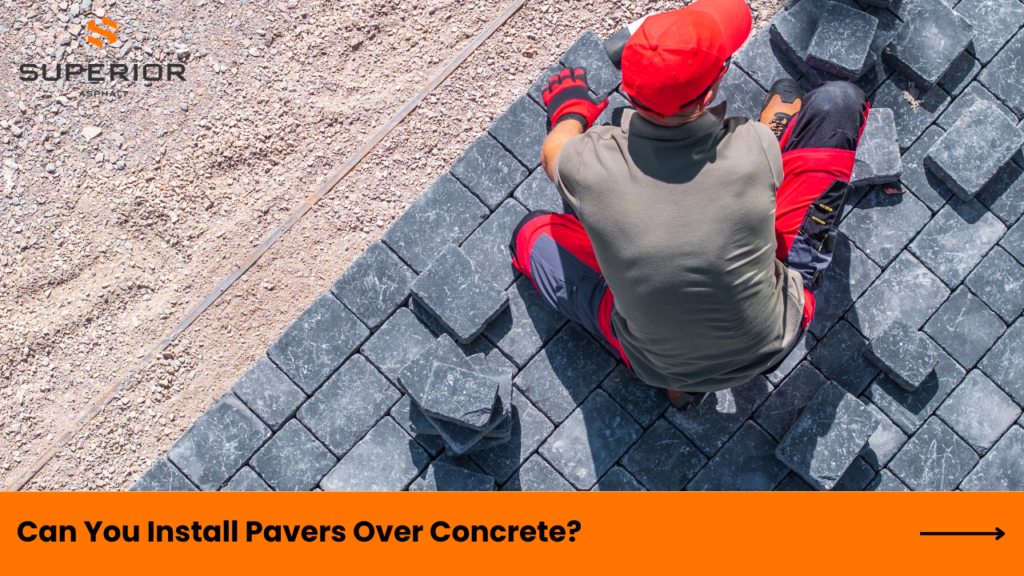
Can You Install Pavers Over Concrete?

Installing pavers over concrete is a creative and practical way to enhance the beauty and functionality of your outdoor spaces. Whether it’s a patio, driveway, walkway, or garden, pavers can add elegance and durability to your hardscape. Many homeowners and landscapers wonder if it’s feasible to lay pavers over an existing concrete slab. The answer is yes—but it requires careful planning, proper materials, and the right technique. We’ll guide you through everything you need to know about installing pavers over concrete, discuss the benefits, step-by-step installation process, materials needed, and offer design inspiration. We’ve also included tips for maintenance, so your pavers remain long-lasting and aesthetically pleasing. The Feasibility of Installing Pavers Over Concrete One of the most common questions landscapers and homeowners ask is, “Can you truly install pavers over concrete?” The short answer is yes! Concrete slabs act as a stable base, making the project feasible in most cases. However, it’s essential to consider key factors, including drainage, weight distribution, compressive strength of the concrete, and overall design goals. Proper preparation ensures a successful and durable paver installation. When Is This Option Ideal? Aging but Stable Concrete If your existing concrete patio, driveway, or walkway is structurally sound, it can serve as a solid foundation for pavers. Cracked or severely damaged concrete isn’t suitable unless repaired. Limited Budget and Time Removing a concrete slab can add to your budget. By installing pavers directly over concrete, you save on demolition and hauling costs. Creating a New Look with Minimum Construction Paver installation over concrete is perfect for those wanting to update their outdoor space’s aesthetics with minimal construction disturbance. Potential Challenges While it’s an efficient solution, laying pavers over concrete can present challenges like poor drainage or uneven surfaces. Elevating the area with a retaining wall can help manage water runoff and prevent pooling. Additionally, using permeable paving options, such as cobblestone or porous pavers, promotes stormwater management and ensures an environmentally friendly solution. Benefits of Adding Pavers Over Concrete Adding pavers instantly transforms the space while offering several advantages for both homeowners and landscapers. 1. Enhanced Aesthetics Pavers come in a variety of materials such as slate, travertine, porcelain, and brick. Each material offers unique colors, shapes, and textures that can blend with any landscape design. For example, buff-colored sandstone pavers create a warm, natural look, while charcoal granite pavers add a bold, modern touch. 2. Cost-Effective If you’re looking to stick to a specific budget, reusing the existing concrete slab as a base reduces significant labor and material costs. There’s also no need to rent extra construction equipment or hire a demolition team. 3. Increased Durability Concrete combined with pavers can provide extra compressive strength. This is especially beneficial for areas like driveways or high-traffic walkways. Using construction glue or polymeric sand between the pavers ensures they remain tightly in place, even under heavy weight. 4. Customizable Design With options ranging from cobblestone to porcelain to limestone tiles, you can find pavers that suit your garden, deck, or driveway. You can also mix shapes and sizes to create unique patterns. For instance, a blend of rectangular slate and square flagstone tiles adds visual intrigue to large spaces. 5. Low Maintenance Paved surfaces are easy to clean and maintain. Routine cleaning with water, sweeping to remove debris, and occasional replacement of damaged pavers helps to keep everything looking fresh. How to Install Pavers Over Concrete Before jumping into your paver project, follow this step-by-step guide to ensure a flawless installation. Step 1. Assess the Concrete Surface Inspect your existing concrete. Address cracks, holes, or uneven areas as these can affect the longevity of your installation. Fill small cracks with concrete patch, and ensure the surface is smooth. Step 2. Plan for Drainage Drainage is a critical factor when installing pavers over concrete. Without proper drainage, water can pool beneath the pavers, causing damage. Consider adding drainage mats or leaving space for water to flow between the pavers. Step 3. Choose Pavers Select pavers based on your needs and preferences. Brick pavers add classic charm, while limestone or sandstone tiles offer a natural aesthetic. Consider your curb appeal, space, and deck or roof surroundings for inspiration. Step 4. Gather Materials You’ll need the following materials for a successful paver installation: Pavers (porcelain, granite, brick, or cobblestone) Polymeric sand or construction glue Drainage mat (if applicable) Rubber mallet Measuring tools for dimensions Pallets, wheelbarrows, and carts for transporting materials Step 5. Lay a Base Layer Add a base layer between the concrete and pavers for extra support. This could be sand or a drainage mat. Buff the layer evenly to prevent pavers from shifting over time. Step 6. Install the Pavers Place the pavers in your chosen design. Make sure the tiles or stones are flat and aligned. Use a rubber mallet to tap the pavers gently into place. For tight spaces or curved walkways, you may need to cut pavers to fit specific dimensions. Step 7. Fill the Gaps Once the pavers are set, fill the joints with polymeric sand or construction glue. This secures the pavers and prevents weeds from growing between them. Step 8. Final Touches Spray water over the area to activate polymeric sand and set it into place. Clean the surface with a broom and inspect it for any uneven points. Design Ideas for Inspiration Using pavers over concrete can create a striking outdoor space that blends seamlessly with your environment. Here are some ideas: Modern Driveway Transformation Use charcoal or slate gray pavers for a sleek, contemporary look. Pair with steel or minimalist landscaping designs to enhance curb appeal. Cozy Patio Space Combine buff travertine with neutral tone furniture. Add a retaining wall for seating and accessories like garden lighting for a welcoming vibe. Elegant Walkways Cobblestone pavers arranged in a fan or circular pattern make stunning walkways. Integrate natural elements like plants or a water feature for added beauty. Outdoor Kitchen or Countertop Design an outdoor kitchen with granite countertop-like pavers laid over your concrete slab.

Blogs

Common Challenges Impacting Work Quality for Commercial Paving Contractors

What challenges hinder the success of commercial paving contractors? Often, issues such as project budget constraints and regulatory compliance can impact work quality. This article will identify key problems faced in the asphalt paving industry and offer practical strategies to navigate these challenges. Readers will gain insights into maintaining client communication and managing contracts more effectively, ultimately enhancing their service delivery. By addressing these common pain points, paving contractors can improve their operations and ensure superior results for their clients. Key Takeaways Quality workmanship in paving projects directly impacts safety and longevity Effective communication builds trust and enhances client satisfaction throughout the paving process Material quality significantly affects the durability and safety of paved surfaces Understanding local regulations is essential for successful completion of paving projects Skilled labor and ongoing training are vital for maintaining high standards in paving work Understanding the Role of Commercial Paving Contractors Commercial paving contractors play a vital role in delivering high-quality masonry services for projects like parking lots and warehouse surfaces. The importance of quality workmanship cannot be overstated, as it directly impacts safety and longevity. This section will explore common challenges that affect craftsmanship, ranging from preparation issues to material selection, providing insights that enhance understanding of the paving process. Overview of Commercial Paving Services Commercial paving services encompass a range of activities that cater to various needs, including asphalt paving, concrete installation, and repair work. These services are essential for maintaining safe and effective surfaces in high-traffic areas such as parking lots and access roads. A reputable commercial paving contractor ensures that every project, from filling potholes to the application of pavement paint, meets quality standards, which fosters trust and maintains their surety in the industry. Service Type Description Asphalt Paving Installation and repair of asphalt surfaces for roads and parking lots. Concrete Installation Laying of concrete surfaces, including driveways and sidewalks. Pothole Repair Filling and fixing potholes to enhance safety and surface integrity. Pavement Marking Application of paint for lines and symbols on paved surfaces for guidance. Importance of Quality Work in Paving Projects Quality work in commercial paving projects is crucial as it ensures that surfaces like a concrete slab are durable and safe for use. When paving contractors hold the right license and focus on the condition of the soil beneath their installations, they can prevent issues such as cracking and settling that may arise from improper construction practices. A business that prioritizes quality not only enhances the lifespan of the pavement but also builds trust with clients by demonstrating their commitment to excellence in every project. Identifying Common Challenges Faced by Commercial Paving Contractors Adverse weather conditions can significantly impact project timelines for commercial paving contractors, causing delays in asphalt paving and concrete installation. Material quality is equally important, as inferior materials can compromise the longevity and safety of paved surfaces. Labor shortages present challenges that affect project quality, while inadequate equipment and technology utilization can hinder efficiency. These factors are crucial for understanding the complexities involved in maintaining high standards in the commercial paving industry. Adverse Weather Conditions Impacting Project Timelines Adverse weather conditions pose significant challenges for commercial paving contractors, often disrupting project timelines for tasks such as parking lot paving and concrete paving. For example, heavy rain can delay the application of asphalt until the surface is adequately dry for use. General contractors must remain vigilant about changing forecasts to mitigate risks associated with weather delays and ensure compliance with guidelines set by the licensing board: Weather Condition Impact on Project Rain Delays the drying and setting of asphalt and concrete. Extreme Heat Accelerates curing time and can lead to surface issues. Cold Temperatures Can hinder the proper setting and strength of the materials. Snow/Ice Increases hazardous working conditions and can cause delays. Material Quality and Its Effects on Workmanship Material quality has a direct correlation with the workmanship exhibited by commercial paving contractors. Using low-quality asphalt can result in surface issues, including cracking and potholed areas, which can diminish safety for vehicles utilizing those surfaces. Contractors need to prioritize premium materials to uphold their standard of quality and meet client expectations, as reputable companies often find that poor workmanship can lead to claims against vehicle insurance due to accidents arising from faulty surfaces. Material Quality Effects on Workmanship High-Quality Asphalt Ensures durability and minimizes repair needs. Inferior Materials Causes cracking, potholes, and potential safety hazards. Quality Control Builds trust and enhances client satisfaction. Labor Shortages and Their Impact on Project Quality Labor shortages pose significant challenges for commercial paving contractors, directly affecting the quality of concrete work and services such as parking lot repair. Insufficient skilled labor can result in rushed projects, where paving may not conform to safety and durability standards, leading to increased maintenance needs and potential hazards for users. Contractors must adapt by investing in training programs and fostering a workplace culture that values professional growth and retention. Challenge Impact on Work Quality Labor Shortages Leads to rushed projects and compromised safety standards. Skilled Workforce Difficulty in finding qualified personnel affects consistency in paving. Project Timelines Delays in construction can strain client relationships. Training and Development Investing in worker training enhances skill and retention. Inadequate Equipment and Technology Utilization Inadequate equipment and technology utilization can adversely affect the quality of work performed by commercial paving contractors. When paving contractors lack access to modern machinery or fail to employ advanced techniques, the results may not meet safety and durability standards, especially for critical projects such as driveways and parking lots. This emphasizes the need for contractors to invest in reliable equipment and stay updated with the latest technology to ensure they can deliver optimal results. Challenge Impact on Work Quality Inadequate Equipment Leads to inconsistent paving quality and potential safety issues. Outdated Technology Hinders efficient project completion and can increase costs. Improper Techniques Results in poor surface finish and reduced lifespan of concrete. Need for Attention Focus on equipment care enhances performance and reliability. Managing Project Budget Constraints Cost overruns can

Hoa Asphalt Paving Essential Maintenance Tips for Longevity and Quality
Blogs

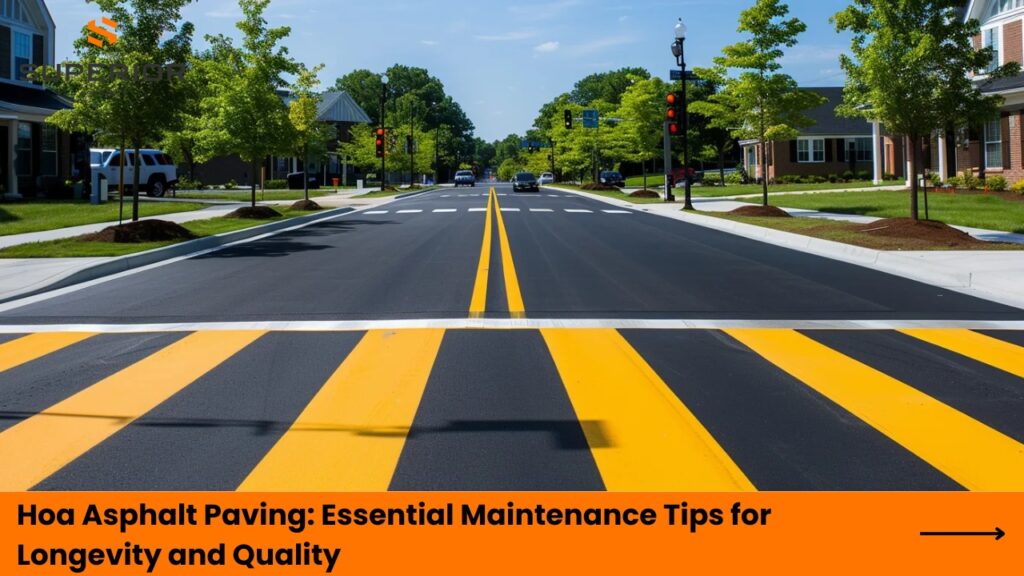
Hoa Asphalt Paving: Essential Maintenance Tips for Longevity and Quality

Asphalt paving is a crucial investment for any property, especially in Arizona, where wear and tear from water and heat can take a toll on surfaces. This post will explore essential maintenance tips, such as the benefits of sealcoating and the importance of effective asphalt repairs, to ensure your lot remains in top condition. By following these guidelines, readers will learn how to extend the lifespan of their pavement and maintain its quality, addressing concerns about costly repairs and deterioration. Engage with these insights to protect your investment and enhance the longevity of your asphalt paving. Key Takeaways Regular sealcoating extends asphalt lifespan and reduces the need for costly repairs Clear pavement striping enhances safety and improves traffic flow in communities Selecting a knowledgeable asphalt company ensures compliance with local regulations and quality results Timely inspections help identify and address asphalt issues before they escalate into larger problems High-quality materials are essential for effective repairs and maintaining the integrity of asphalt surfaces Sealcoating Benefits in Hoa Asphalt Paving Understanding sealcoating is vital for maintaining an asphalt parking lot, as it protects the surface from harmful elements. Regular sealcoating is recommended every two to three years to maximize durability. By scheduling this maintenance, property owners can save on costly repairs while enhancing the overall quality of their paver surfaces. The following sections will outline these benefits in detail. Understanding the Importance of Sealcoating Sealcoating plays a significant role in asphalt maintenance, as it forms a protective barrier against damaging elements like UV rays, water, and oil spills. Without this shield, issues such as potholes and cracks can develop, leading to the need to repair asphalt surfaces more frequently and at a higher cost. By prioritizing sealcoating, property owners can not only enhance the durability of their asphalt but also improve drainage and overall aesthetics, creating a smoother experience for drivers, especially when navigating speed bumps within their parking areas: Benefit Description Protection Sealcoating protects the asphalt from harmful elements, extending its life. Cost Savings Regular sealcoating reduces the frequency of major repairs. Aesthetics Enhances the appearance of the asphalt surface, improving property value. Drainage Improves water drainage, preventing water accumulation that can cause damage. Recommended Frequency for Sealcoating For optimal parking lot maintenance, it is advisable to schedule sealcoating every two to three years, especially for condominium roads and high-traffic areas. This proactive approach not only contributes to the longevity of the asphalt surface but also plays a role in satisfying insurance requirements related to property upkeep. By adhering to this recommended frequency, property owners can prevent more severe issues and reduce the likelihood of costly repairs, ensuring their investment remains in top condition. Cost Savings From Regular Sealcoating Investing in regular sealcoating significantly contributes to cost savings in asphalt maintenance for HOA properties. This proactive measure can minimize the need for expensive repairs that arise from untreated damage due to vehicle wear or water accumulation on roads and parking lot paving surfaces. For instance, in Michigan, where winter weather can be particularly harsh, maintaining well-sealed asphalt not only keeps the sidewalks and parking areas looking better but also avoids costly resurfacing expenses down the road. Reduces frequency of major repairs. Extends lifespan of asphalt surfaces. Preserves property aesthetics, boosting value. Prevents damage from harsh weather conditions. The Role of Pavement Striping in Hoa Asphalt Paving Pavement striping plays a crucial role in enhancing safety and maintaining the overall appearance of asphalt surfaces within a community. Clear striping directs traffic flow, reducing accidents and supporting the health of all residents. Best practices for pavement striping not only improve visibility but also protect investments by reducing future asphalt repairs. Property owners should take these aspects into account and may want to request a quote for professional striping services to ensure quality results. Enhancing Safety With Clear Striping Clear striping is essential for homeowner associations looking to enhance safety within their communities. High-quality pavement markings provide drivers with clear guidance on traffic flow and parking spaces, which can prevent accidents and ensure the efficient use of available space. Investing in professional striping services from a reputable asphalt company helps maintain safety and reflects positively on the overall quality of asphalt paving, allowing homeowners to manage their budget effectively while ensuring optimal functionality and aesthetics. Benefit Description Improved Traffic Flow Clear striping directs vehicles, reducing confusion and potential accidents. Enhanced Safety Proper markings provide visibility, decreasing the risk of collisions. Cost Efficiency Investing in quality striping minimizes the need for future repairs. Professional Appearance Well-maintained striping contributes to the overall aesthetics of the community. Maintaining Pavement Appearance Through Striping Maintaining pavement appearance through striping is fundamental for the overall aesthetics and functionality of HOA communities. A well-applied sealcoat, combined with clear curb markings, ensures that driveways and parking areas remain visually appealing while guiding traffic effectively. Regular striping not only enhances visual clarity but also significantly reduces future asphalt repair expenses by preventing potential wear and ensuring an organized flow of vehicles. Best Practices for Pavement Striping Implementing best practices for pavement striping is essential for the safety and functionality of HOA lots. Regularly scheduled evaluations, in conjunction with a reserve study, can identify high-traffic areas requiring more frequent maintenance to avoid potential hazards like unclear markings or fading paint. Ensuring that striping is done with high-quality materials on both asphalt and concrete surfaces not only promotes clarity in traffic patterns but also aligns with the community’s aesthetic goals. Conduct regular evaluations to identify high-traffic areas. Utilize a reserve study to plan striping maintenance and budgeting. Choose high-quality materials for longevity and visibility. Ensure markings clearly indicate lanes and parking spaces to minimize hazards. Effective Asphalt Repairs for Hoa Asphalt Paving Identifying common asphalt issues is the first step in maintaining quality. This includes recognizing cracks and potholes that require prompt attention. The subsequent section outlines effective steps for repairing these problems, ensuring the surface remains safe and functional. Additionally, selecting the right materials for repairs is critical to guarantee durability and effectiveness,

Assuring Runway Performance Through Asphalt Installation Services
Blogs

Assuring Runway Performance Through Asphalt Installation Services

Assuring runway performance starts with high-quality asphalt installation services. Poorly installed asphalt can lead to costly delays and safety issues at airports. This article will discuss the importance of professional asphalt services, outline the key steps involved in installation, and address common maintenance challenges. Readers will gain insights into choosing reliable asphalt companies and understanding cost factors, ensuring a smooth and safe runway for operations. Whether addressing current issues or planning future installations, this content provides valuable solutions for airport authorities and contractors alike. Key Takeaways Quality asphalt installation significantly impacts runway durability and safety Understanding weather effects is vital for effective runway maintenance strategies Regular inspections can help identify early signs of wear and extend runway lifespan Customized solutions are essential for addressing unique runway needs and ensuring optimal performance Selecting experienced contractors ensures compliance with aviation standards and enhances runway safety Understand the Importance of Asphalt Installation for Runways Asphalt installation plays a crucial role in the performance of runways, impacting durability, safety, and maintenance. Understanding how asphalt withstands various weather conditions ensures reliable surface performance. Evaluating cost benefits alongside maintenance needs also informs effective runway management. Additionally, identifying critical factors influencing runway design empowers stakeholders to make informed decisions for optimal operation. Recognize How Asphalt Contributes to Runway Durability The durability of runways significantly relies on the quality of asphalt installation. Properly installed asphalt can endure substantial weight, resist cracking, and withstand extreme weather conditions, which are crucial aspects for ensuring safe aircraft landings and takeoffs. Additionally, regular maintenance of asphalt surfaces prolongs their lifespan, reducing long-term costs for airport operators and enhancing overall operational efficiency. Learn About the Impact of Weather on Asphalt Performance Weather conditions have a significant impact on asphalt performance in runway installations. Extreme temperatures, moisture, and precipitation can lead to issues such as cracking, rutting, and surface degradation. Understanding these factors allows airport operators to implement effective maintenance strategies that help preserve runway integrity, ensuring safe and efficient aircraft operations. Weather Condition Impact on Asphalt Maintenance Strategy Extreme Temperatures Causes expansion and contraction, leading to cracks Regular inspections and timely repairs Heavy Rainfall Increases the risk of water infiltration and erosion Proper drainage systems to divert water Snow and Ice Can lead to ice formation, which weakens asphalt Use of de-icing agents and prompt snow removal Evaluate Safety Concerns Related to Runway Surfaces Ensuring the safety of runway surfaces is paramount for airport operations. Asphalt installation must be executed with precision to avoid hazards like cracks and surface deterioration, which can jeopardize aircraft landings and takeoffs. Regular assessments and maintenance strategies focused on these surfaces are critical for identifying potential safety risks before they escalate. Consider the effects of varying weather conditions on asphalt integrity: Weather Condition Impact on Asphalt Maintenance Strategy Extreme Temperatures Causes expansion and contraction, leading to cracks Regular inspections and timely repairs Heavy Rainfall Increases the risk of water infiltration and erosion Proper drainage systems to divert water Snow and Ice Can lead to ice formation, which weakens asphalt Use of de-icing agents and prompt snow removal Discover the Cost Benefits of Quality Asphalt Installation Quality asphalt installation offers substantial cost benefits for runway management. By investing in durable materials and expert services, airport operators can significantly reduce maintenance expenses over time. For example, well-constructed asphalt can minimize the need for frequent repairs and prolong the runway’s lifespan, ultimately lowering the total cost of ownership and ensuring continuous operational effectiveness. Consider these cost advantages: Cost Factor Benefit Example Reduced Maintenance Less frequent repairs required Fewer cracks and surface issues Longevity of Materials Extended runway lifespan Lower replacement costs over time Operational Efficiency Minimized downtime Consistent runway availability for flights Assess Runway Maintenance Needs With Asphalt Surfaces Assessing runway maintenance needs is vital for ensuring the long-term performance of asphalt surfaces. Regular evaluations can identify surface wear, potential cracking, and weather-related damage that may compromise safety and efficiency. By implementing a proactive maintenance schedule, airport operators can address issues promptly, leading to enhanced durability and reduced repair costs, ultimately supporting smooth airport operations and minimizing flight disruptions. Identify Critical Factors Influencing Runway Design Choices Design choices for runways are influenced by several critical factors, including traffic load, local climate, and soil stability. Understanding the specific requirements of each airport environment helps in selecting the appropriate type of asphalt and installation techniques to ensure resilience and safety. For instance, areas prone to heavy rainfall may necessitate specialized drainage solutions, while airports experiencing high traffic volumes may require thicker asphalt layers to endure the stress of frequent landings and takeoffs. Explore the Benefits of Professional Asphalt Services Professional asphalt services provide essential benefits for runway performance. Evaluating experience and expertise ensures that best practices are followed. High-quality materials contribute to durability, while techniques for optimal surface smoothness enhance safety. Customized solutions address unique runway needs, and effective project timeline management minimizes disruptions. Additionally, considering the environmental impact of asphalt promotes sustainable practices, reinforcing the overall value of professional services. Evaluate Experience and Expertise in Asphalt Installation When evaluating professionals for asphalt installation services, a focus on experience and expertise is essential. Skilled contractors bring a wealth of knowledge regarding the unique demands of runway surfaces, ensuring compliance with aviation standards. Their hands-on experience allows for tailored solutions that address specific challenges, such as weather resistance and load-bearing capacity, ultimately enhancing runway safety and performance. Analyze Advantages of Using High-Quality Materials Using high-quality materials in asphalt installation is essential for ensuring the longevity and performance of runways. Top-grade asphalt resists cracking, weathering, and wear from heavy aircraft traffic, significantly reducing maintenance costs over time. Moreover, when airport operators choose premium materials, they benefit from improved safety and functionality, as these materials provide a smoother surface that enhances aircraft stability during takeoffs and landings. Review Techniques for Achieving Optimal Surface Smoothness Professional asphalt services employ various techniques to achieve optimal surface smoothness, which is critical for runway performance. One effective method is the utilization of laser-guided paving machines, which ensure precise thickness

Crack Sealing Explained Selecting the Optimal Asphalt Repair Solution
Blogs

Crack Sealing Explained: Selecting the Optimal Asphalt Repair Solution

Cracks in asphalt surfaces are not just unsightly; they can lead to costly repairs if not addressed promptly. This blog post will explore the essential process of crack sealing, detailing how to evaluate asphalt conditions and choose the right filler. Readers will gain valuable insights into the benefits of proper asphalt crack repair and understand the importance of maintenance after sealing. Discover how effective sealing with the right emulsion can extend the life of your asphalt and prevent further damage, ultimately saving you time and money. Key Takeaways Crack sealing prevents water infiltration and extends asphalt pavement longevity Regular inspections help identify new cracks early, reducing future repair costs Selecting the right sealant is crucial for effective and long-lasting asphalt repairs Proactive maintenance enhances the safety and aesthetics of both residential and commercial properties Investing in crack sealing leads to significant long-term financial benefits for property owners Understand the Importance of Crack Sealing Crack sealing is an essential element of asphalt repair that helps to prolong the life of pavement surfaces. By filling the gaps and fissures, sealing prevents water infiltration that can cause significant damage over time. This proactive approach safeguards the underlying structure, ensuring that the pavement remains durable and functional. Utilizing a quality asphalt crack sealer, such as rubberized asphalt, plays a critical role in effective repair. This material not only fills cracks but also adheres to the surrounding asphalt, creating a reliable barrier against moisture and further deterioration. Proper sealing techniques can significantly decrease the need for costly repairs in the future. Regular maintenance that includes crack sealing is vital for both commercial and residential properties. It enhances safety and aesthetics while minimizing the risk of cracks expanding into larger issues. Ultimately, effective sealing practices contribute to a more sustainable approach to pavement management, ensuring long-lasting performance. Evaluate Your Asphalt Conditions Identifying common asphalt cracks is the first step in evaluating conditions for effective repair. Assessing the severity of damage helps determine the appropriate methods for preservation, especially considering the age of the asphalt. Understanding how water infiltrates and affects the structure will aid in selecting reliable liquid sealants that ensure longevity. Each of these elements plays a crucial role in maintaining the integrity of asphalt pavements. Identify Common Asphalt Cracks Identifying common asphalt cracks is vital for effective maintenance and repair. Typical issues include fatigue cracking, which appears as a series of interconnected cracks due to erosion from heavy traffic loads on roads, and reflective cracking, often caused by underlying pavement problems that can affect driveways as well. Utilizing a quality driveway crack sealer to fill these gaps can mitigate further damage and prevent moisture from infiltrating, turning minor issues into bigger reservoirs of repair needs. Assess the Severity of Damage Assessing the severity of damage to the pavement surface is crucial for effective asphalt crack sealing. Property owners should look for signs such as deep fissures or large gaps, which indicate more extensive damage that requires immediate attention. Using a suitable sealant to address these cracks promptly can prevent further deterioration and preserve the integrity of the asphalt, ultimately leading to reduced maintenance costs and improved longevity of the pavement. Determine the Age of Your Asphalt Determining the age of asphalt is essential for effective maintenance and timely repairs. Older pavements are more susceptible to wear due to changing climate conditions, making it crucial to seal cracks as soon as they appear. Property owners should inspect their surfaces regularly; a hose test can be performed to check for water infiltration, ensuring that a waterproof concrete crack sealer is applied when necessary to extend the lifespan of the asphalt. Compare Crack Sealing and Other Repair Methods Crack sealing serves as a fundamental method within asphalt maintenance, offering numerous benefits, such as prolonging pavement life and reducing future repair costs. This section analyzes the advantages of repaving, which can provide a fresh surface but involves greater expense and disruption. Additionally, patching presents another alternative, addressing severe damage but may not be as comprehensive. Each approach has unique characteristics that property owners should consider when assessing their asphalt needs. Review Crack Sealing Benefits Crack sealing offers several benefits that are crucial for effective pavement maintenance of asphalt surfaces. Utilizing products like Crafco crack sealer ensures a durable seal that prevents moisture infiltration, which can lead to more extensive damage if left untreated. In contrast to alternatives such as Quikrete concrete crack seal, crack sealing offers a more targeted approach that prolongs the life of asphalt pavement and minimizes the need for costly repairs, making it an optimal choice for property owners looking to maintain their surfaces efficiently. Analyze Advantages of Repaving Repaving provides a comprehensive solution for worn asphalt surfaces, creating a fresh, smooth foundation that can significantly improve driving conditions. This method effectively addresses deeper issues caused by heavy traffic, ensuring durability and a longer lifespan for the pavement. While it generally incurs higher costs than crack sealing, the investment can be justified for properties experiencing increased wear and tear, making it a viable option for those searching for “crack sealing companies near me” to address severe damage. Repair Method Advantages Considerations Crack Sealing Delays major repairs, prevents water infiltration Suitable for minor cracks and regular maintenance Repaving Completely renews surface, enhances aesthetics Higher cost, more disruptive process Patching Effective for specific damage areas May not address underlying issues comprehensively Consider Patching as an Alternative Patching serves as a viable alternative for asphalt repair, particularly for addressing specific areas of damage such as potholes or larger cracks. This method engages products like Loctite gaps and cracks to effectively fill problematic spots, ensuring a level surface and reducing the risk of safety hazards. It is essential, however, to assess whether the underlying issues need a more comprehensive solution, such as micro surfacing, to ensure long-term durability and functionality. Patching is effective for addressing specific damage. Utilizes products like Loctite gaps and cracks for filling. May require micro surfacing for broader coverage. Choose the Right Sealant for

Find Trusted Asphalt Companies in San Diego for Quality Services
Blogs

Find Trusted Asphalt Companies in San Diego for Quality Services

Finding reliable asphalt companies in San Diego can be challenging, especially when potholes and poor drainage can impact your property’s safety and appearance. This article will guide readers on how to identify trusted asphalt companies, highlight top service providers, and explain common asphalt services. By engaging with this content, individuals will learn to make informed decisions that ensure quality asphalt concrete installation and maintenance, thereby solving their issues and improving their roads. Whether you’re considering a new project or repairs, understanding the options available can lead to better outcomes for your property. Key Takeaways Hiring reputable asphalt companies ensures quality in paving projects and materials used Evaluating contractors’ credentials and experience is vital for making informed decisions Checking local reviews helps gauge customer satisfaction and contractor reliability Comprehensive services provided by a contractor assure a smooth construction process Understanding costs and maintenance planning is crucial for long-term asphalt performance Understanding the Importance of Hiring Reputable Asphalt Companies in San Diego Hiring reputable asphalt companies in San Diego is essential for achieving high-quality results in paving projects. A trustworthy contractor ensures that every aspect of the job, including driveway installations, is executed with precision and adherence to industry standards. Reputable companies use quality materials and techniques, including effective sealcoat applications, which significantly extend the lifespan of asphalt surfaces. This attention to detail not only enhances pavement performance but also adds to the overall aesthetic appeal of residential and commercial properties. Another crucial factor is the responsible approach to recycling materials used in construction projects. A respected asphalt contractor prioritizes sustainability, ensuring that old asphalt is reused effectively, thereby reducing waste and promoting environmental stewardship. When choosing a contractor, clients can also expect comprehensive services, including concrete work and other paving options. Engaging a reliable asphalt company guarantees that all phases of the construction process are managed professionally, resulting in durable and visually appealing surfaces. How to Identify Trusted Asphalt Companies in San Diego Identifying trusted asphalt companies in San Diego involves several critical steps. First, evaluating the credentials and certifications of asphalt contractors helps ensure compliance with industry standards. Next, checking local reviews and testimonials provides insight into customer satisfaction. Inquiring about experience with similar projects and exploring the company’s portfolio reveals their capabilities. Lastly, assessing customer service and communication skills is vital for a smooth project experience. Evaluate Credentials and Certifications of Asphalt Contractors Evaluating the credentials and certifications of an asphalt paving company is essential for making an informed decision. Contractors with the appropriate licenses and industry certifications demonstrate their commitment to quality and adherence to safety regulations. For instance, a reputable monarch paving company will usually possess qualifications from recognized industry organizations, ensuring that they meet the latest standards in asphalt paving services. In addition to credentials, reviewing a contractor’s experience with specific projects can provide valuable insight. A company that specializes in asphalt parking lot construction and replacement likely has the expertise necessary to handle various paving challenges efficiently. Clients should seek out companies that can clearly present their past work and success stories, building trust in their ability to deliver quality services. Step Description 1. Check Licenses Verify that the asphalt paving company holds the necessary licenses to operate legally. 2. Look for Certifications Identify any certifications from industry organizations that indicate a level of expertise. 3. Review Experience Examine the contractor’s experience with projects similar to your needs, such as asphalt parking lot installations and replacements. 4. Request Portfolio Ask for examples of past work to evaluate quality and reliability. Check Local Reviews and Testimonials for Asphalt Services Checking local reviews and testimonials for asphalt services is a crucial step in identifying trusted asphalt companies in San Diego. Feedback from previous clients provides insight into the pros and cons of a paving contractor’s work, especially in areas like parking lot paving. Positive reviews can indicate a company’s reliability and quality of service, while negative ones may highlight potential issues to consider before making a decision. A well-rounded assessment of local reviews can help potential clients understand what to expect from a chosen paving contractor. Clients should pay attention to comments about the timeliness of the project, quality of materials, and professionalism during the paving process. By gathering this information, clients can make informed choices, ensuring their parking lot paving meets their standards and contributes to the overall value of their property: Read through multiple review platforms for diverse opinions. Look for consistency in both positive and negative feedback. Ask for recommendations from friends or colleagues who have completed similar projects. Inquire About Experience With Similar Projects Inquiring about an asphalt contractor‘s experience with similar projects is vital for ensuring the quality of the paving job. A reputable paving company should readily provide examples of past work, particularly in areas like parking lot maintenance and pavement installation. This not only showcases their expertise but also offers clients confidence in the contractor’s ability to handle specific requirements effectively. Moreover, understanding the asphalt contractor’s previous project scope can reveal how well they adapt to various challenges. Clients should ask for details regarding project timelines, resources used, and any obstacles faced during construction. This comprehensive insight will assist clients in determining which local asphalt companies align best with their needs, paving the way for a successful partnership: Evaluate the contractor’s prior experience with similar projects. Request examples of their work in parking lot maintenance. Assess their problem-solving skills based on past challenges encountered. Explore Company Portfolio and Past Work Examples Exploring a company’s portfolio is essential for clients looking for reliable asphalt services. Reputable driveway companies often showcase a variety of past projects, including residential driveway installations, which help to demonstrate their skill and reliability. By reviewing a pavement company’s portfolio, potential clients can assess design styles, quality of workmanship, and the range of services offered, ensuring they choose competent paving companies in their area. Past work examples not only illustrate a contractor’s capabilities but also provide insights into their approach to project challenges. For residential driveway contractors,

Understanding the Impact of Public Asphalt Paving Regulations on Residential Projects
Blogs

Understanding the Impact of Public Asphalt Paving Regulations on Residential Projects

Public asphalt paving regulations play a crucial role in residential projects, yet many homeowners are unaware of their implications. These regulations dictate vital aspects such as design, materials, and compliance, which can significantly impact the durability of roads and streets around their homes. This article will delve into the importance of adhering to these regulations, the specific design and planning specifications required, and how local variations may influence projects. By understanding these guidelines, readers can avoid costly pitfalls like potholes and ensure their paving projects enhance the curb appeal and longevity of their property. Understanding Public Asphalt Paving Regulations Public asphalt paving regulations have historical roots that shape current standards for projects involving concrete surfaces like sidewalks and driveways. Key stakeholders, including local government, regulatory agencies, and contractors, play vital roles in establishing these rules, ensuring safety and compliance. Understanding these factors is essential for residential projects, as they impact recycling practices and storage considerations. Historical Context of Paving Regulations The historical context of paving regulations reveals their evolution alongside urban infrastructure development. Over the years, specific standards have emerged to govern public paving projects, emphasizing safety and quality in construction. This ensures appropriate inspection protocols are in place, tailored to enhance the durability and usability of surfaces that residents depend on. Year Key Regulation Impact on Paving 1960 Introduction of Standard Specifications Established baseline quality for public paving projects. 1990 Mandatory Safety Inspections Improved accountability towards public safety in asphalt paving. 2010 Focus on Environmental Practices Encouraged recycling in construction methods for sustainability. Key Stakeholders Involved in Regulation Key stakeholders in public asphalt paving regulation include local government officials, regulatory agencies, and contractors, all of whom influence budget decisions and project outcomes. These groups are responsible for establishing guidelines that ensure proper drainage and safety measures in paving projects, which directly impact the longevity of asphalt surfaces. For example, adherence to regulations regarding tar and tire wear can significantly enhance the durability of residential driveways, ultimately benefiting homeowners through reduced maintenance costs. The Importance of Compliance in Residential Projects Non-compliance with public asphalt paving regulations can lead to significant issues, including costly repairs and safety hazards. Conversely, adhering to these guidelines offers benefits such as enhanced durability and lower maintenance costs for residential projects. This section explores the ramifications of ignoring these regulations, as well as the advantages of following them for effective resurfacing, particularly during the summer months. Consequences of Non-Compliance Non-compliance with public asphalt paving regulations can result in significant repair costs for homeowners. When asphalt pavement is not installed according to national asphalt pavement standards, it may lead to issues such as cracks, potholes, and reduced lifespan, ultimately creating safety hazards. Homeowners may find themselves frequently visiting repair services, which can be costly over time, emphasizing the importance of adhering to established guidelines and programs available on reputable paving websites. Benefits of Adhering to Regulations Adhering to public asphalt paving regulations brings significant benefits to residential projects, particularly in enhancing the pavement condition index, a crucial measure of surface quality. In Wisconsin, compliance ensures that driveways and roads are constructed with durability in mind, minimizing the risk of costly repairs down the line. Homeowners can expect better performance from their pavements, leading to prolonged lifespans and reducing the frequency of maintenance. Improved durability of asphalt surfaces. Lower long-term maintenance costs for homeowners. Increased safety due to adherence to established guidelines. Better overall pavement condition index scores. Design and Planning Specifications for Residential Asphalt Paving Effective design and planning specifications for residential asphalt paving encompass key aspects such as material requirements and established standards, as well as recommended design practices. Understanding these elements ensures compliance with public regulations, ultimately contributing to the longevity and safety of asphalt surfaces. This section will provide detailed insights into essential materials and best design approaches for residential projects. Material Requirements and Standards Material requirements and standards for residential asphalt paving are essential in ensuring compliance with public regulations and enhancing surface durability. Using high-quality materials such as specified asphalt mixtures and aggregates is crucial for creating resilient pavements that can withstand weather fluctuations and traffic loads. When residents prioritize these standards during the design and planning phases, they can achieve longer-lasting driveways and roads that require less frequent maintenance: Selection of appropriate asphalt mixtures. Use of high-grade aggregates for durability. Adherence to local and national paving standards. Importance of proper material storage and handling. Recommended Design Practices Recommended design practices for residential asphalt paving are essential to meet public regulations and ensure the longevity of the pavement. Key strategies include proper slope for drainage, which minimizes water pooling and potential damage. Additionally, using high-quality materials and adhering to local standards contribute to a solid foundation, which ultimately reduces maintenance needs: Ensure proper drainage with adequate slope. Utilize high-quality asphalt mixtures and aggregates. Follow local and national paving standards during the design process. Local Variations in Public Asphalt Paving Regulations Local variations in public asphalt paving regulations significantly influence residential projects. Understanding state-specific guidelines is crucial, as these can vary widely across regions. This section will compare urban and rural regulations, highlighting the unique requirements that may apply in different settings and their impact on asphalt durability and compliance. Understanding State-Specific Guidelines State-specific guidelines for public asphalt paving regulations vary significantly, influencing residential projects across different regions. Homeowners and contractors must familiarize themselves with these distinctions to ensure compliance, as local regulations can dictate important aspects such as material specifications, thickness requirements, and drainage considerations. For instance, in areas prone to heavy rainfall, regulations may enforce stricter drainage protocols to prevent water pooling and damage, directly impacting the lifespan and usability of asphalt surfaces. Comparing Urban and Rural Regulations Urban and rural regulations for public asphalt paving often differ significantly, reflecting the unique challenges and conditions present in each environment. In urban areas, stringent codes may address high traffic volumes, requiring thicker asphalt layers and enhanced drainage systems to mitigate wear and prevent pool formation. Conversely, rural regulations may prioritize cost-effectiveness

Asphalt Paving Benefits Tailored for San Diego Homeowners
Blogs

Asphalt Paving Benefits Tailored for San Diego Homeowners

Asphalt surfaces are a common choice for homeowners in San Diego, yet many underestimate their advantages. Did you know that a well-installed asphalt driveway can enhance drainage and reduce potholes? This blog post will cover key benefits of asphalt paving, including how it enhances curb appeal and increases property value while ensuring safety. By addressing common concerns like durability and maintenance, this article will help homeowners make informed decisions about their driveway and road surfaces, ultimately leading to greater satisfaction with their property. Understanding the Key Benefits of Asphalt Paving for Homeowners in San Diego Asphalt paving offers significant advantages for homeowners in San Diego. Its durable and long-lasting surface withstands varied weather conditions, making it suitable for local climates. This paving material is cost-effective, fitting within many budgets while providing quality construction. The quick installation process enhances home improvement projects, complemented by low maintenance requirements that keep driveways looking pristine. Additionally, asphalt options promote recycling and eco-friendly practices, supporting sustainability. Durable and Long-Lasting Surface Suitable for Various Weather Conditions Asphalt paving stands out for its durability and longevity, especially for homeowners in San Diego facing diverse weather conditions. With its ability to endure both the intense sunlight and occasional rainfall common to the region, asphalt provides a reliable surface that supports various outdoor activities. Professional paving services ensure that proper techniques are used during installation, enhancing pavement preservation and extending the lifespan of driveways and parking lots. By choosing a reputable paving company, homeowners can trust that their investment will withstand the test of time while maintaining an aesthetically pleasing appearance. Cost-Effectiveness of Asphalt Paving Compared to Other Materials Cost-effectiveness is one of the standout features of asphalt paving for homeowners in San Diego. Compared to other materials, such as concrete, residential asphalt paving typically incurs lower installation costs and offers substantial savings over time due to its reduced maintenance needs. Many homeowners benefit from approaching a reputable asphalt paving company to receive a free quote, allowing them to understand the price advantages and choose the best option for their property. Type of Paving Initial Cost Maintenance Cost (per year) Longevity (years) Asphalt Paving Low Low 15-20 Concrete Paving High Medium 25-30 Quick Installation Process for Home Improvement Projects The quick installation process of asphalt paving services is a distinct advantage for homeowners in San Diego. Unlike many other paving options, asphalt requires less time to set and cure, allowing for faster project completion. This efficiency not only reduces costs associated with prolonged work but also minimizes inconvenience for residents, enabling them to return to their daily activities with minimal disruption. Efficient installation saves time and reduces costs. Less disruption for homeowners during paving projects. Quick setting allows for immediate use of the pavement. Low Maintenance Requirements Keeping Your Driveway Looking Great Asphalt paving presents low maintenance requirements, making it an ideal choice for homeowners in San Diego. Its unique binder composition helps resist damage from oil and other substances, which often lead to deterioration in other paving materials. Additionally, the environmentally friendly attributes of asphalt contribute to a longer lifespan, as it manages soil-related issues effectively while requiring less frequent repairs, ultimately providing both a quality surface and excellent price value over time. Eco-Friendly Options That Support Sustainable Practices Asphalt paving provides eco-friendly options that resonate with sustainable practices important for homeowners in San Diego. Many asphalt plants now incorporate recycled materials, significantly reducing wear on natural resources and minimizing environmental impact. Furthermore, the use of specialized trucks to transport reclaimed asphalt millings enhances the recycling process, showcasing a commitment to sustainability that aligns with modern environmental goals. Enhancing Curb Appeal With Quality Asphalt Paving Quality asphalt paving significantly enhances curb appeal for homeowners in San Diego. Options for customizing colors and textures allow homeowners to create a unique look that complements their property. Integrating asphalt with landscaping can establish a cohesive appearance, while addressing common aesthetic concerns related to gravel, water, and debris is essential for maintaining the neighborhood’s visual harmony. The following sections will delve into these strategies, offering practical insights for elevating property value and attractiveness. Options for Customizing Colors and Textures in Asphalt Homeowners in San Diego seeking to enhance their property’s curb appeal can take advantage of asphalt paving’s customizable options for colors and textures. By integrating various finishes and shades into their asphalt surfaces, they can achieve a distinctive look that complements their overall landscape design. Professional paving companies often offer alternatives such as stamped asphalt or colored aggregate, allowing for creative expressions that not only elevate aesthetics but also blend seamlessly with the architectural style of different homes. Integrating Asphalt Paving With Landscaping for a Cohesive Look Integrating asphalt paving with landscaping can significantly enhance the overall appeal of a property for homeowners in San Diego. By carefully selecting paving designs and patterns that complement surrounding plants and structures, homeowners can create a harmonious outdoor space. For example, utilizing borders of grass or decorative stones alongside asphalt driveways fosters a seamless transition between hardscaping and landscaping, adding visual interest while ensuring a cohesive look that elevates property value. Addressing Common Aesthetic Concerns in San Diego Neighborhoods In San Diego neighborhoods, addressing common aesthetic concerns is crucial for homeowners looking to enhance their property’s curb appeal with asphalt paving. Factors such as maintaining clean lines and ensuring a proper integration of landscaping can significantly impact visual perception. By choosing high-quality asphalt options that resist staining and deterioration, homeowners can create an inviting entrance that reflects both style and quality, encouraging positive impressions from visitors and neighbors alike: Aesthetic Concern Solution Impact on Curb Appeal Staining and Dirt Use high-quality, stain-resistant asphalt Maintains a clean, polished look Integration with Landscaping Choose complementary colors and patterns Creates a harmonious outdoor space Cracking and Deterioration Invest in professional installation and maintenance Ensures longevity and visual integrity Improving Property Value Through Asphalt Paving Improving Property Value Through Asphalt Paving Investing in asphalt paving can significantly enhance property values for homeowners in San Diego. Understanding market

Insights Into Local Asphalt Contractors' Paving Techniques in San Diego
Blogs

Insights Into Local Asphalt Contractors’ Paving Techniques in San Diego

San Diego’s roads face unique challenges due to heavy traffic and varying weather conditions. Local asphalt contractors use specialized techniques to address these issues. This article explores the paving methods employed by San Diego’s asphalt professionals, focusing on material selection, installation processes, and maintenance strategies. Learn how these contractors ensure durable, long-lasting surfaces for roads, driveways, and parking lots while considering environmental factors and cost-effectiveness. Understanding Paving Techniques Used by Asphalt Contractors in San Diego Asphalt contractors in San Diego employ various paving techniques to ensure durable and smooth surfaces. These methods include hot mix asphalt paving, which is commonly used for commercial asphalt paving projects. Contractors often provide a free quote to potential clients before starting any pavement work. The climate in San Diego influences the choice of paving techniques. Contractors consider factors such as temperature and moisture when selecting materials and methods. This ensures the longevity of the pavement in the local environment. Many San Diego contractors use advanced equipment for precise and efficient paving. These tools allow for even application of asphalt and proper compaction, resulting in high-quality surfaces for both residential and commercial projects. Eco-friendly paving techniques are gaining popularity in San Diego. Some contractors offer sustainable options that reduce environmental impact while maintaining the durability of the pavement. These methods often appeal to environmentally conscious clients seeking commercial asphalt paving solutions. The Process of Asphalt Preparation and Installation San Diego paving companies begin by preparing the site, which involves removing old asphalt or grading the area for new installations. This crucial step ensures a solid foundation for the asphalt parking lot or roadway. Next, contractors apply a base layer of aggregate material, compacting it thoroughly. This layer provides stability and drainage for the asphalt surface, contributing to its longevity and performance. The asphalt mixture is then heated and applied in layers, with each layer compacted to achieve the desired thickness and density. Many public projects require specific asphalt compositions to meet local regulations and durability standards. After installation, contractors often provide clients with asphalt maintenance guidelines. Most paving companies offer a free estimate for future repair or resurfacing needs, ensuring the longevity of the newly installed asphalt surface. Innovative Techniques Employed by Local Asphalt Contractors Local paving companies in San Diego are adopting innovative techniques to enhance asphalt quality. Driveway specialists utilize advanced polymer-modified asphalt mixtures for increased durability and weather resistance. Driveway paving companies implement eco-friendly practices by incorporating recycled materials into their asphalt mixes. This approach reduces environmental impact while maintaining high-quality standards. Paving contractors employ cutting-edge equipment for precise application and compaction. These tools ensure uniform thickness and density, resulting in smoother, longer-lasting surfaces. Local paving companies focus on sustainable drainage solutions in their projects. This includes the use of permeable asphalt and strategic design to manage water runoff effectively. Key innovations in San Diego’s asphalt paving industry include: Polymer-modified asphalt mixtures Recycled material integration Advanced application equipment Permeable asphalt solutions Common Materials Utilized in Asphalt Paving Projects Local asphalt companies in San Diego primarily use hot mix asphalt for paving projects. This material consists of aggregates, binder, and filler, providing durability and flexibility for various applications. Asphalt contractors often incorporate recycled materials into their mixes. This eco-friendly approach reduces waste while maintaining the quality of the pavement. Driveway companies utilize specialized materials for residential projects. These include sealcoats and crack fillers to protect and extend the life of asphalt surfaces. Paving contractors may use polymer-modified asphalt for high-traffic areas. This enhanced material offers increased resistance to rutting and cracking, ensuring longevity in demanding conditions. The Importance of Site Assessment in Paving Asphalt paving companies in San Diego prioritize site assessment before starting any project. This crucial step ensures the success and longevity of the pavement. During site assessment, asphalt paving contractors evaluate soil conditions, drainage patterns, and existing structures. This information guides their choice of materials and techniques for optimal results. Paving services use specialized equipment to measure ground stability and identify potential issues. This thorough approach helps prevent future problems and ensures a durable asphalt surface. Asphalt driveway contractors consider factors such as traffic load and climate during site assessment. This enables them to provide tailored asphalt paving services that meet specific project requirements: Assessment Factor Impact on Paving Soil Conditions Determines base preparation Drainage Patterns Influences slope and grading Traffic Load Affects asphalt thickness Climate Guides material selection Environmental Considerations in Asphalt Paving Contractors asphalt companies in San Diego prioritize environmental considerations. They implement eco-friendly practices to reduce the impact on local ecosystems and comply with environmental regulations. Many asphalt contractors use recycled materials in their paving projects. This approach helps conserve resources and reduce waste, aligning with sustainable construction practices. Paving companies invest in energy-efficient equipment to minimize emissions during construction. This commitment to environmental stewardship extends to all aspects of their operations, from material sourcing to project completion. Asphalt contractors in San Diego collaborate with property owners to develop sustainable paving solutions. These efforts focus on reducing environmental impact while staying within budget constraints: Use of recycled asphalt Energy-efficient equipment Sustainable drainage systems Low-emission paving techniques Comparing Traditional and Modern Asphalt Paving Methods Traditional asphalt paving methods focused on basic road construction, while modern techniques prioritize infrastructure longevity and customer satisfaction. Contractors now use advanced materials and equipment to create durable surfaces for roads, sidewalks, and parking lots. Modern paving practices incorporate innovative technologies for improved maintenance. These include automated crack sealing systems and infrared patching, which extend pavement life and reduce long-term costs for customers. Safety features have evolved significantly in modern paving. Contractors now integrate guard rail installations and high-visibility markings as standard practice, enhancing road safety for all users. Sustainability is a key focus in contemporary paving methods. Local contractors utilize recycled materials and eco-friendly binders, minimizing environmental impact while maintaining high-quality standards: Aspect Traditional Method Modern Method Materials Basic asphalt mix Recycled and polymer-modified Equipment Manual labor-intensive Automated and precision-controlled Maintenance Reactive repairs Proactive preservation Safety Features Limited integration Comprehensive safety systems

Choosing the Right Commercial Asphalt Paving Method for Your Project
Blogs

Choosing the Right Commercial Asphalt Paving Method for Your Project

Choosing the right method for commercial asphalt paving can significantly impact the longevity and cost-effectiveness of your project. With various techniques available, understanding which one fits your needs is crucial. This article will explore common commercial asphalt paving methods, the importance of analyzing project budgets, and how to evaluate site conditions. By engaging with this content, readers will learn how to make informed decisions, tackle budget concerns, and identify the best approach to achieve effective drainage solutions. This guidance is essential for anyone looking to ensure their paving project meets both quality and financial expectations. Key Takeaways Selecting the right asphalt paving method ensures project success and longevity Understanding traffic loads aids in determining the appropriate materials to use Environmental factors influence both asphalt choice and project costs for durability and efficiency Effective communication with paving contractors leads to tailored solutions and successful outcomes Regular maintenance is crucial for minimizing long-term costs and preserving pavement integrity Understanding the Importance of Selecting the Right Asphalt Paving Method Selecting the right asphalt paving method is crucial for ensuring a successful road project. Assessing project requirements and specifications helps determine the best approach, while evaluating traffic load and usage ensures durability and functionality. Additionally, considering environmental factors can impact both budget and materials chosen for driveways and other surfaces. Each of these aspects plays a vital role in achieving a quality paving outcome. Assessing Project Requirements and Specifications Assessing project requirements and specifications is essential for customers aiming to select the most effective asphalt paving method. Each commercial project differs based on the size and intended use of the lot, which may affect the choice of materials and techniques. Engaging with a reputable paving company ensures that specific needs are clearly communicated to experienced paving contractors, leading to a more tailored approach. Understanding the unique demands of a project enables customers to evaluate the best asphalt services available. For example, a high-traffic commercial lot may require thicker layers and stronger materials to withstand substantial wear over time. By clearly defining these requirements, customers can work collaboratively with asphalt professionals to achieve optimal durability and functionality in their paving projects. Evaluating Traffic Load and Usage Evaluating traffic load and usage is essential when selecting asphalt paving services for commercial projects. Understanding the expected volume and type of vehicles that will traverse the pavement helps determine the necessary thickness and strength of the materials used. For example, a commercial asphalt paving project intended for heavy trucks requires more robust asphalt solutions to withstand stress, ensuring longevity and minimal maintenance costs. Proper evaluation of traffic patterns also influences the choice of paving techniques and materials. Areas with high foot traffic, alongside vehicle access, may necessitate specific asphalt mixtures that provide enhanced traction and durability. By working closely with professionals in paving services, clients can tailor their asphalt solutions to meet these unique demands, ultimately ensuring the pavement remains functional and safe under various conditions. Considering Environmental Factors Environmental factors play a significant role in selecting the right commercial asphalt paving method. An experienced asphalt paving company will advise on the effects of local climate conditions, such as temperature and precipitation, on the choice of materials and techniques. For instance, regions with heavy rainfall may require more durable asphalt that can withstand water damage, ensuring the longevity of the pavement. Additionally, considering the environmental impact of the paving process is essential for many businesses today. Choosing sustainable materials and efficient paving techniques can reduce a project’s carbon footprint while potentially inviting cost savings. Clients searching for “commercial paving contractors near me” should prioritize those who provide a free estimate that includes options for eco-friendly materials and methods, thus aligning with both budget and environmental goals. Factors to Consider Description Local Climate Affects the choice of materials; heavier rainfall requires sturdier asphalt. Environmental Impact Focus on sustainable practices and materials to reduce carbon footprint. Cost Efficiency Eco-friendly options may lead to long-term savings on maintenance. Professional Advice Engage reputable commercial paving companies near me for tailored solutions. Overview of Common Commercial Asphalt Paving Methods When choosing the right method for commercial parking lot paving, understanding the types of asphalt available is essential. Hot mix asphalt provides a durable solution ideal for high-traffic areas, while warm mix asphalt offers benefits like reduced energy consumption. Cold mix asphalt serves well in specific applications, making it suitable for patches and repairs, including sidewalks. Each option presents unique advantages for various construction needs. Hot Mix Asphalt and Its Benefits Hot mix asphalt is a preferred choice for many commercial paving projects due to its robustness and performance in high-traffic situations. This type of asphalt is designed to endure substantial vehicle loads, which is essential for maintaining customer satisfaction across busy parking lots and roadways. With proper installation and periodic maintenance, hot mix asphalt can significantly reduce long-term costs by minimizing repair needs, ensuring a functional surface that effectively directs storm drain flow and reduces water accumulation. Furthermore, hot mix asphalt is known for its excellent adhesion and durability, which enhances the longevity of the pavement. Businesses focusing on quality customer service appreciate that this paving method helps limit disruption, allowing for smoother operations during and after installation. By investing in hot mix asphalt, companies can provide a reliable surface that meets the demands of vehicles while also simplifying maintenance efforts, contributing to an overall positive experience for both operators and customers. Warm Mix Asphalt Explained Warm mix asphalt is a significant choice for commercial paving in New Jersey, offering benefits that make it suitable for various projects. This method utilizes lower temperatures during production, which reduces energy consumption and minimizes emissions, making it a more environmentally friendly option. By choosing warm mix asphalt, pavers can decrease wear and tear on equipment, thereby enhancing the overall efficiency of the paving process and improving the customer experience. This paving solution is especially advantageous for projects that require quick installation and rapid opening to traffic, as it retains temperature for longer periods. Contractors can

Scroll to Top